A local business website brands the company when it shows the same name, colors, voice and story on every page, and ties them to the place the business serves. Tell the owner’s story, show local partners and customers, keep the visuals consistent, add features that invite interaction, and back everything up with real reviews. A website is also a sizeable investment, often thousands of dollars for a small business site, so it is worth getting the branding right the first time instead of rebuilding later.
What does branding a small business website mean?
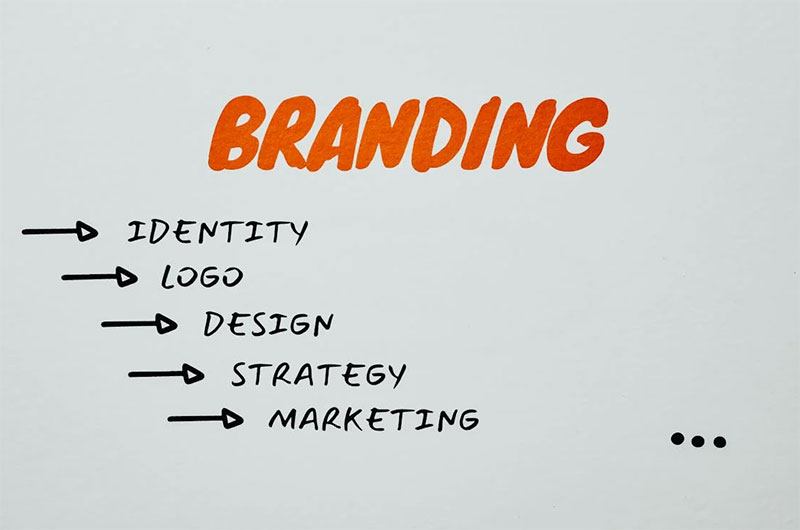
Branding a website means every page tells visitors who you are, what you stand for and why they should choose you over the shop down the street. It covers the visual identity (logo, colors, typography, imagery), the voice of the copy and the proof you show. For a local company, the website is the digital storefront, and for many customers it is the first contact. The other half of the job is trust: visitors need to feel that a real business with real people runs this place. A broader take on this is in how to build business credibility online.
How do you use storytelling to build a local brand?

Tell the story of the business in an honest way. Explain why you started, what you believe in and what makes your services different. Include personal anecdotes, testimonials from satisfied customers and glimpses behind the scenes, such as the team at work or the workshop in the morning.
Stories create an emotional connection that a price list cannot. Larger companies already use AI and AR/VR for storytelling, and a ZenBusiness small business AI study shows that AI tools are becoming part of everyday operations for small owners too. You do not need either to tell a good story, though. A clear about page with real photos does most of the work.
How can a website show local partnerships and community involvement?

Give community ties their own space. Highlight partnerships with other local businesses, sponsorships, joint events and charity work. Feature customer stories that show your positive effect on the area, and mention the local suppliers or products you use.
Your own website project can be part of that story. Say you run a small plumbing business in Roanoke, Virginia. Hiring a local firm for web design in Roanoke, VA gives you something real to mention on the site: you work with people from your own community. Do not let the local angle lower the quality, though. A weak site makes visitors leave without reading your services, however friendly the story is.
Which interactive features strengthen a local brand?
Features that let visitors do something keep them on the page longer than static text. Good options for a local company include:
- An interactive map showing your location and nearby landmarks.
- A virtual tour of the premises.
- Live chat for immediate questions.
- Customer reviews, photos and testimonials displayed on the page.
Pick the ones your customers would actually use. A restaurant benefits from a menu and a map, a clinic from online booking. For more on turning visits into leads, see how to make a website that attracts visitors and leads.
Why does consistent branding matter on a website?
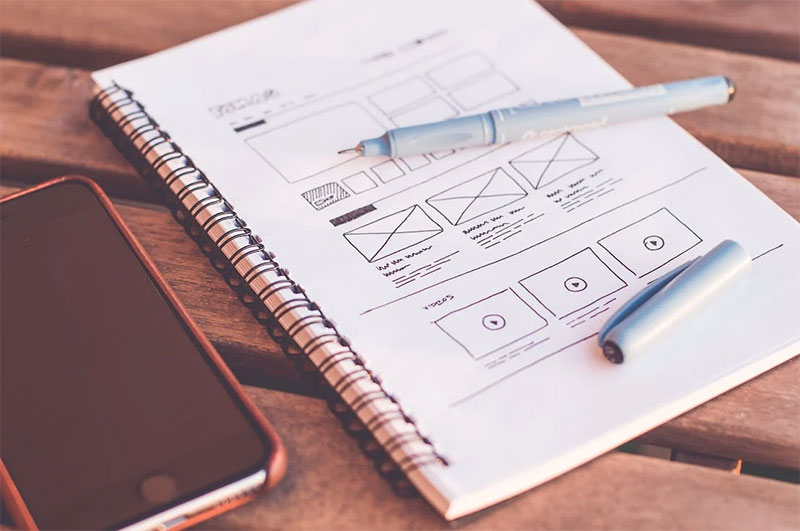
Consistency builds recognition, and recognition builds trust. Use the same logo, color scheme, typography and imagery on every page. Pay attention to details such as button styles, menus and calls to action, so a visitor on the homepage and a visitor on a product page both know they are in the same place.
A short checklist helps:
- One logo version, placed in the same spot on every page.
- Two or three brand colors, used for specific purposes.
- One or two typefaces, with set sizes for headings and body text.
- A single photo style, whether bright and candid or clean and studio-made.
- The same tone of voice in headlines, buttons and error messages.
Small choices carry a lot of weight, as shown in how small design choices change the way people see a brand. A tidy layout helps too, and these tips for clean website design are a good starting point.
How do reviews and social proof strengthen the brand?
Most customers check what others say before they buy, so show reviews, ratings and testimonials prominently. Encourage happy customers to leave reviews on review platforms or social media, and consider user-generated content such as photos and videos of your work in use. If you are not sure how to ask, these review request email templates give you wording to start from.
Never publish fake reviews or invented testimonials. Local news coverage of a study on fake reviews reports that they can lead shoppers to spend more money for worse results. If customers realize they were misled by your page, the backlash will damage the brand far more than a missing five-star rating ever could.
What mistakes weaken a local business website?
- Stock photos of strangers instead of your team and premises.
- A different look on every page because several people edited it.
- No address, hours or phone number above the fold.
- Letting the site go stale. Old hours or dead pages hurt trust, which is why website maintenance belongs in the plan.
- Copy that talks only about the company and never about the customer’s problem.
Frequently asked questions
How many pages does a small business website need?
Start with a homepage, services, an about page, contact details and reviews. Add more pages as you have real content to put on them.
Should a local business write its own story?
Yes. The owner’s own account of why the business exists is more convincing than generic copy, and an editor can clean up the language.
Do I need a logo before building the website?
It helps. The logo, colors and fonts set the visual rules that the whole site follows, so decide them first.
How often should I update the website?
Review it every few months for hours, prices and photos, and add new reviews and projects as they come in.
What should you do this week?
Open your homepage and check it against the consistency list above. Fix the biggest mismatch, write your story in five sentences for the about page and ask your three happiest customers for a review.

Renowned for his expertise in logo design and visual branding, Bogdan has developed a multitude of logos for various clients.
His skills extend to creating posters, vector illustrations, business cards, and brochures. Additionally, Bogdan's UI kits were featured on marketplaces like Visual Hierarchy and UI8.
He also wrote in the past years on sites like Design Your Way, WebDesignerDepot, WPDean, Designmodo, Speckyboy, Slider Revolution, and more.
- How to Design Marketing Materials That People Actually Keep - 27 November 2026
- Behind the Logo: What Font Does Starbucks Use? - 26 November 2026
- Visual Hierarchy in Short Videos: How to Guide Attention Across a Sequence - 26 November 2026

Bogdan Sandu is a seasoned designer who has been designing websites since 2008. Renowned for his expertise in logo design and visual branding, Bogdan has developed a multitude of logos for various clients. His skills extend to creating posters, vector illustrations, business cards, and brochures. Additionally, Bogdan's UI kits were featured on marketplaces like Visual Hierarchy and UI8. He also wrote in the past years on sites like Design Your Way, WebDesignerDepot, WPDean, Designmodo, Speckyboy, Slider Revolution, and more.
You Might Also Like