What attention span? First impressions are often made within seconds, the marriage of search engine optimization (SEO) and aesthetics in website design has become more critical. A visually stunning website can captivate users, but without proper SEO, it may never reach its intended audience.
Conversely, a website optimized for search engines but lacking in visual appeal may fail to engage visitors, leading to high bounce rates and low conversion rates. Striking the perfect balance between SEO and aesthetics is the key to creating a website that not only ranks well but also delivers an exceptional user experience.
Here are the top strategies for combining SEO and aesthetics in modern website design.
1. Prioritize Mobile-First Design
With over 60% of global web traffic coming from mobile devices, a mobile-first design approach is no longer optional-it’s essential. Google’s mobile-first indexing means that the search engine primarily uses the mobile version of your site for ranking and indexing. A responsive design ensures your website looks great and functions seamlessly across all devices, from smartphones to desktops.

Aesthetic Tip: Use clean, minimalist designs for mobile interfaces. Avoid clutter and prioritize easy navigation with intuitive menus and buttons.
SEO Tip: Ensure fast loading times on mobile by optimizing images, leveraging browser caching, and minimizing code. Tools like Google’s Mobile-Friendly Test can help identify areas for improvement.
2. Optimize Visual Content for Speed
High-quality images and videos are crucial for creating an aesthetically pleasing web design, but they can also slow down your site if not optimized. Slow-loading pages negatively impact user experience and SEO rankings.
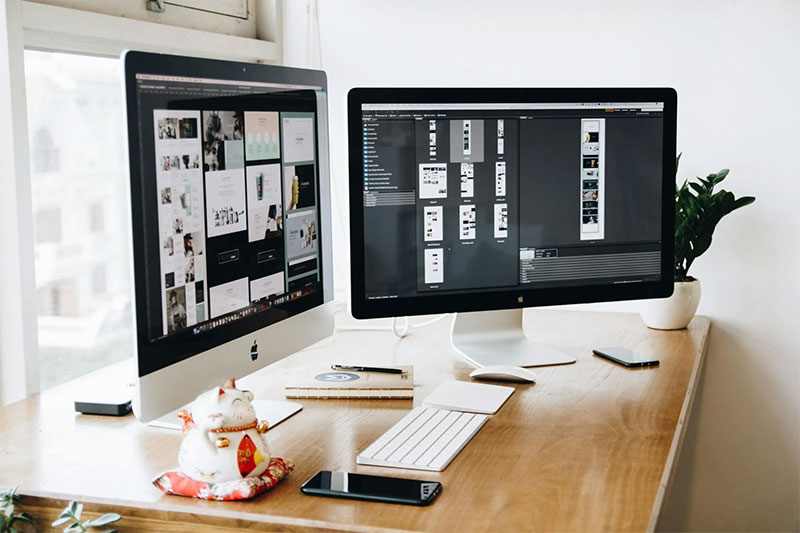
Aesthetic Tip: Use high-resolution images that align with your brand’s visual identity. Incorporate modern design elements like gradients, animations, and custom illustrations to make your site stand out.
SEO Tip: Compress images using tools like TinyPNG or WebP format to reduce file sizes without sacrificing quality. Implement lazy loading to ensure images only load when they come into the user’s viewport, improving page speed.
For design inspiration and tips on creating visually appealing websites, there are a lot of resources packed with creative ideas on sites like Design Your Way. This is especially useful for digital marketing agencies looking to enhance their content marketing strategies while maintaining a strong focus on aesthetics.
3. Use Structured Data and Schema Markup
Structured data helps search engines understand the content of your website, improving your chances of appearing in rich snippets and enhancing your visibility in search results. While this is primarily an SEO strategy, it can also enhance the user experience by providing clear, organized information.
Aesthetic Tip: Use schema markup to highlight key information like reviews, ratings, and FAQs in a visually appealing way. For example, star ratings can make your product pages more engaging.
SEO Tip: Implement schema markup for important elements like articles, products, and events. Use Google’s Structured Data Testing Tool to ensure your markup is error-free.
4. Focus on Readability and Typography
Typography plays a significant role in both aesthetics and SEO. The right font choices and text formatting can make your content more readable and visually appealing, while also contributing to on-page SEO.

Aesthetic Tip: Choose fonts that reflect your brand’s personality and ensure they are legible across all devices. Use headings, subheadings, and bullet points to break up text and make it easier to scan.
SEO Tip: Use header tags (H1, H2, H3) to structure your content. This not only improves readability but also helps search engines understand the hierarchy and relevance of your content.
5. Create Engaging, SEO-Friendly Content
Content is the backbone of both SEO and aesthetics. Well-written, visually appealing content can engage users and keep them on your site longer, while also improving your search engine rankings.

Aesthetic Tip: Use a mix of text, images, infographics, and videos to make your content more engaging. Incorporate whitespace to avoid overwhelming users with too much information at once.
SEO Tip: Conduct keyword research to identify topics your audience is searching for. Optimize your content with relevant keywords, meta descriptions, and alt text for images. Ensure your content is original, valuable, and updated regularly.
For businesses looking to scale their SEO efforts, partnering with an SEO reseller service can provide the tools and expertise needed to succeed. These services allow marketing agencies to offer SEO services under their own brand, making it easier to manage SEO tasks and deliver high-quality SEO to clients.
6. Implement Intuitive Navigation
A well-designed navigation system enhances user experience by making it easy for visitors to find what they’re looking for. It also helps search engines crawl and index your site more effectively.
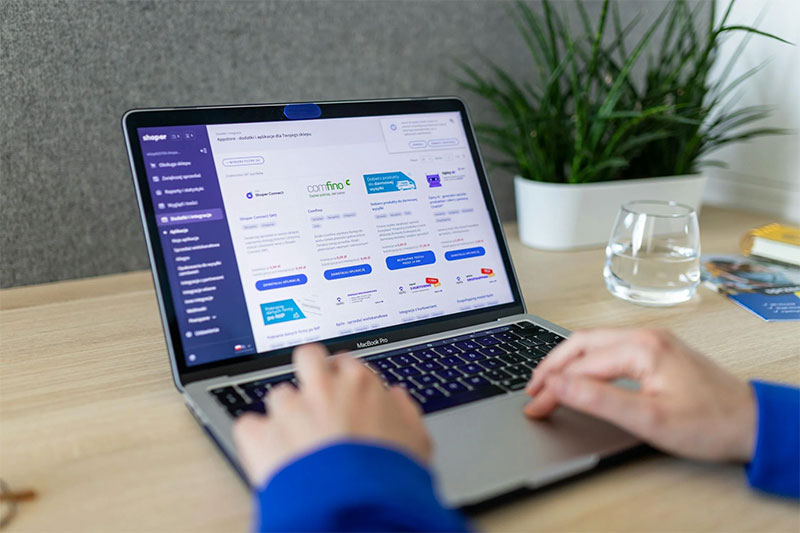
Aesthetic Tip: Use a clean, organized menu structure with dropdowns for subcategories. Incorporate breadcrumbs to help users track their location on your site.
SEO Tip: Create a logical hierarchy for your pages and use internal linking to connect related content. This not only helps users navigate your site but also distributes link equity, boosting your SEO.
Local SEO solutions can help businesses improve visibility in specific geographic areas. This is especially important for marketing agencies targeting small and medium-sized enterprises.
7. Leverage Color Psychology
Colors evoke emotions and influence user behavior, making them a powerful tool in web design. The right color scheme can enhance your brand’s identity and create a memorable user experience.
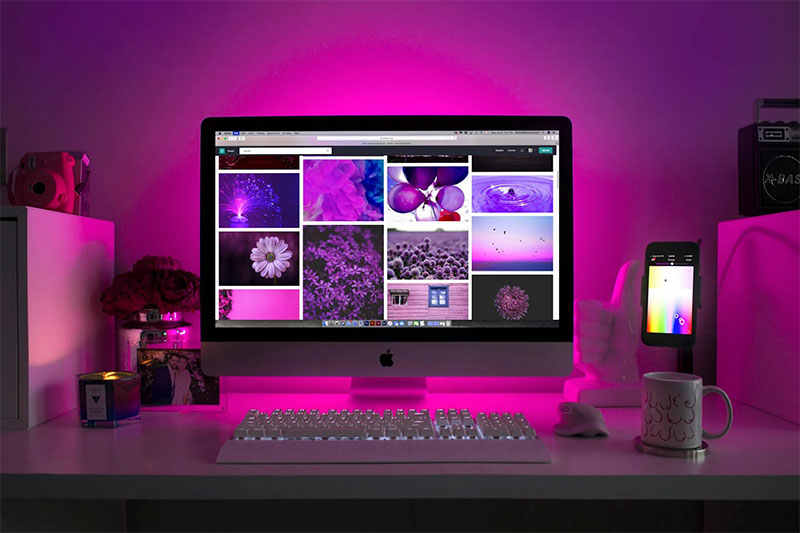
Aesthetic Tip: Choose a color palette that aligns with your brand and appeals to your target audience. Use contrasting colors for call-to-action (CTA) buttons to make them stand out.
SEO Tip: While color choices don’t directly impact SEO, they can affect user engagement metrics like time on site and bounce rate, which are indirect ranking factors.
8. Optimize for Core Web Vitals
Google’s Core Web Vitals are a set of metrics that measure user experience, including loading performance, interactivity, and visual stability. Optimizing for these metrics can improve both your SEO rankings and the overall aesthetics of your site.
Aesthetic Tip: Ensure your site’s layout remains stable as elements load to avoid frustrating users with unexpected shifts.
SEO Tip: Focus on improving Largest Contentful Paint (LCP), First Input Delay (FID), and Cumulative Layout Shift (CLS). Use tools like Google PageSpeed Insights to identify and address issues.
9. Incorporate Interactive Elements
Interactive elements like quizzes, polls, and animations can make your website more engaging and visually appealing. They also encourage users to spend more time on your site, which can positively impact SEO.
Aesthetic Tip: Use subtle animations and hover effects to add depth and interactivity without overwhelming users.
SEO Tip: Ensure interactive elements are lightweight and don’t slow down your site. Use them strategically to enhance user engagement and reduce bounce rates.
10. Test and Iterate
The digital landscape is constantly evolving, and what works today may not work tomorrow. Regularly testing and iterating on your design and SEO strategies is essential for staying ahead of the competition.

Aesthetic Tip: Conduct A/B testing to determine which design elements resonate most with your audience. Gather feedback from users to identify areas for improvement.
SEO Tip: Monitor your site’s performance using tools like Google Analytics and Search Console. Track key metrics like organic traffic, bounce rate, and conversion rate to measure the effectiveness of your strategies.
Conclusion
Combining SEO and aesthetics in modern website design is not just about creating a beautiful site or ranking high on search engines-it’s about delivering a seamless, engaging experience that meets the needs of both users and search engines. By prioritizing mobile-first design, optimizing visual content, leveraging structured data, and focusing on readability, you can create a website that is both visually stunning and highly discoverable.
For businesses looking to scale their efforts, partnering with a white-label SEO reseller or SEO provider can provide the expertise and resources needed. Get started today to succeed in today’s competitive digital landscape.

Renowned for his expertise in logo design and visual branding, Bogdan has developed a multitude of logos for various clients.
His skills extend to creating posters, vector illustrations, business cards, and brochures. Additionally, Bogdan's UI kits were featured on marketplaces like Visual Hierarchy and UI8.
He also wrote in the past years on sites like Design Your Way, WebDesignerDepot, WPDean, Designmodo, Speckyboy, Slider Revolution, and more.
- The Windsurf Logo History, Colors, Font, And Meaning - 10 October 2026
- How to Remove Background From Product Photos (No Photoshop) - 10 October 2026
- How Designers can Build a Stronger Online Creative Identity - 9 October 2026

Bogdan Sandu is a seasoned designer who has been designing websites since 2008. Renowned for his expertise in logo design and visual branding, Bogdan has developed a multitude of logos for various clients. His skills extend to creating posters, vector illustrations, business cards, and brochures. Additionally, Bogdan's UI kits were featured on marketplaces like Visual Hierarchy and UI8. He also wrote in the past years on sites like Design Your Way, WebDesignerDepot, WPDean, Designmodo, Speckyboy, Slider Revolution, and more.
You Might Also Like