Product design shapes how we interact with technology every single day. From the smartphone in your pocket to the Tesla Cybertruck disrupting automotive conventions, groundbreaking designs don’t just solve problems-they create entirely new ways of living.
Today’s marketplace rewards companies that dare to challenge established patterns. The most successful cool and innovative product design examples share common traits: they eliminate friction, surprise users with unexpected solutions, and often face initial skepticism before becoming industry standards.
This exploration reveals 20 revolutionary designs that transformed their respective industries. You’ll discover the design thinking process behind products like the iPhone’s multitouch breakthrough, Dyson’s air-scraping technology, and Google Glass’s ambitious AR vision.
Each case study examines the innovation category, key features, market impact, and lasting influence on subsequent product development. These examples demonstrate how bold design decisions can create new product categories, disrupt established markets, and fundamentally change user expectations.
Whether you’re a designer seeking inspiration or simply curious about the forces reshaping our world, these stories reveal the strategic thinking behind today’s most influential innovations.
Cool And Innovative Product Design Examples
| Product Innovation | Design Paradigm | Market Impact | Technology Integration |
|---|---|---|---|
| Tesla Cybertruck | Angular brutalist aesthetics challenging automotive design conventions | Redefined electric vehicle perception, polarizing market reception | Integrated autonomous systems, bulletproof exoskeleton architecture |
| iPhone Original Design | Minimalist interface revolution eliminating physical keyboards | Transformed smartphone industry, establishing touchscreen standard | Multi-touch capacitive display, mobile internet optimization |
| Dyson Airblade | Blade-like air curtain replacing traditional heating elements | Revolutionized commercial restroom hygiene standards | High-velocity filtered air technology, HEPA filtration system |
| Google Glass | Wearable augmented reality pioneer, transparent display integration | Failed consumer adoption, succeeded in enterprise applications | Bone conduction audio, voice activation, prismatic projection |
| AirPods | Wireless earbuds normalizing untethered audio consumption | Created massive wireless audio market, cultural status symbol | W1/H1 chip seamless pairing, spatial audio processing |
| Nest Learning Thermostat | Circular interface democratizing smart home technology | Mainstream smart home adoption catalyst, energy efficiency focus | Machine learning algorithms, occupancy sensors, remote connectivity |
| Magic Mouse | Multi-touch surface eliminating traditional scroll wheels | Influenced gesture-based computing adoption, ergonomic debates | Capacitive touch sensing, gesture recognition algorithms |
| Tesla Powerwall | Sleek wall-mounted energy storage challenging utility aesthetics | Accelerated residential solar adoption, energy independence narrative | Lithium-ion battery management, grid-tie inverter integration |
| Transparent OLED Displays | See-through screen technology creating immersive environments | Niche luxury applications, retail and automotive integration | Organic light-emitting diodes, transparent substrate materials |
| 3D Printed Prosthetics | Customizable biomechanical design democratizing accessibility | Revolutionary healthcare accessibility, cost reduction paradigm | Additive manufacturing, biocompatible materials, sensor integration |
Tesla Cybertruck
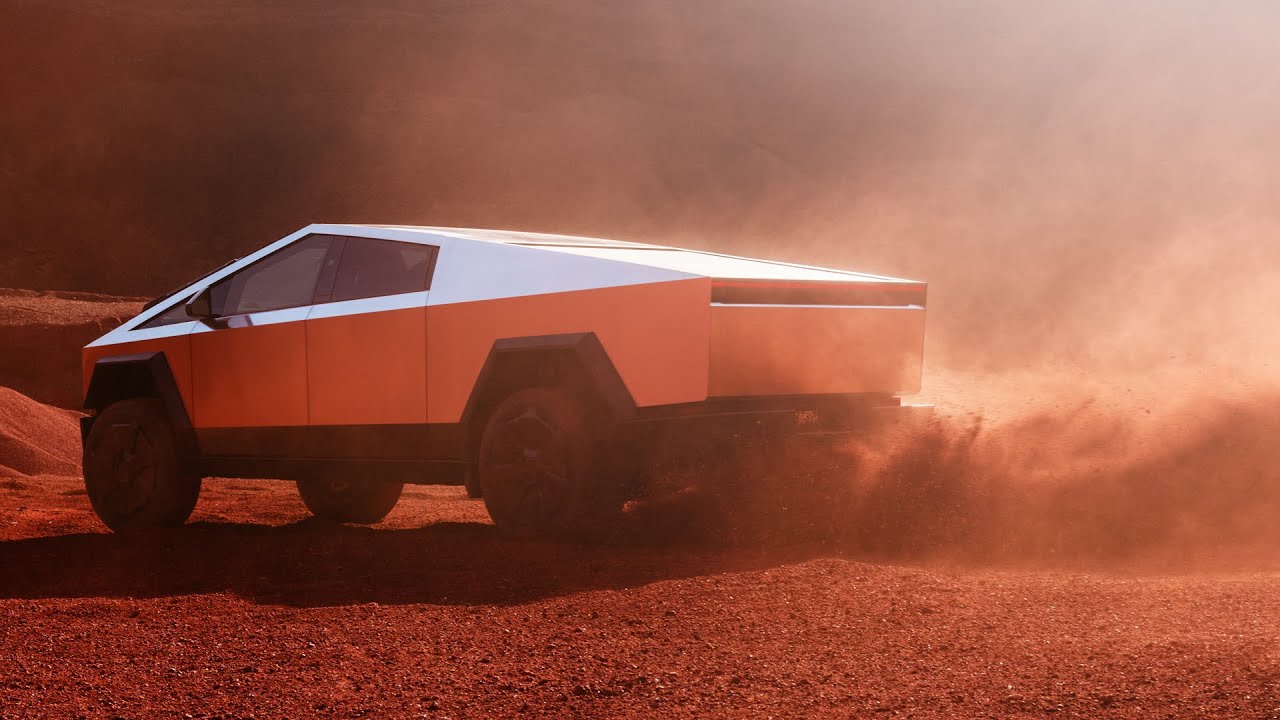
The Tesla Cybertruck from Elon Musk’s company revolutionized pickup truck design with its angular stainless steel body, challenging traditional automotive design elements through radical form language.
Innovation Category
Radical automotive form language breakthrough combining materials innovation with manufacturing simplification.
Key Design Features
- Exoskeleton of ultra-hard 30x cold-rolled stainless steel
- Steer-by-wire system eliminating mechanical steering connections
- Variable-ratio rear steering for enhanced maneuverability
Design Impact
Won MotorTrend’s 2025 Best Tech Award for steer-by-wire technology. Achieved 5-star NHTSA safety rating with minimal structural modifications required due to inherent strength of design.
Design Process & Methodology
Inspired by Blade Runner aesthetics and submarine design. Approached form through manufacturing constraints first, allowing material properties to dictate shape rather than traditional automotive styling conventions.
Materials & Technology
0.071-inch thick 300-series stainless steel panels with 48V electrical architecture. Digital motor V4 technology integrated with liquid-cooled subassembly housing motor, inverter, and gear set.
Target User & Context
Early adopters seeking distinctive utility vehicle with advanced technology integration. Primary use cases include both recreational and professional applications requiring towing capacity.
Industry Recognition
Automobile Magazine Concept Car of the Year 2019. Multiple Global Recognition Awards for sustainable transportation technology advancements.
Design Influence
First production vehicle with steer-by-wire technology, establishing new standard for automotive control systems. Sparked industry-wide reconsideration of traditional pickup truck design language.
Dyson Airblade Hand Dryer

The Dyson Airblade from James Dyson’s engineering team replaced traditional heated air drying with high-velocity air scraping technology, transforming commercial washroom experiences through HEPA-filtered performance.
Innovation Category
Airflow technology innovation eliminating heat-based water evaporation methods.
Key Design Features
- 400mph air velocity through precisely engineered apertures
- HEPA filtration capturing 99.97% of airborne particles
- Touch-free sensor activation preventing cross-contamination
Design Impact
Achieved 69% more energy efficiency versus conventional dryers and 97% cost reduction compared to paper towels. First hand dryer certified under NSF Protocol P335 for commercial hygiene.
Design Process & Methodology
Applied Dyson’s core digital motor technology to solve washroom hygiene challenges. Engineering focused on eliminating heating elements while maximizing water removal efficiency through controlled airflow dynamics.
Materials & Technology
Dyson digital motor V4 spinning at 75,000-81,000 rpm with specialized noise reduction silencers. Stainless steel construction with precision-machined air apertures.
Target User & Context
Commercial facilities prioritizing hygiene, energy efficiency, and operational cost reduction. Particularly suited for high-traffic environments requiring fast hand drying.
Industry Recognition
Royal Society of Public Health hygiene accreditation. Design Museum London recognition for transforming commercial washroom technology.
Design Influence
Established blade-style air delivery as new category in hand drying technology. Influenced competitor development of high-velocity, low-energy hand drying solutions.
iPhone Original Design

The first iPhone designed by Jonathan Ive and Steve Jobs at Apple fundamentally redefined smartphone interaction through multitouch technology and minimalist design principles.
Innovation Category
Multitouch interface breakthrough eliminating physical keyboards and styluses.
Key Design Features
- Capacitive touchscreen enabling finger-based navigation
- Home button as single physical interface element
- Aluminum and glass construction with rounded rectangle form
Design Impact
Created smartphone category as we understand it today. Launched App Store ecosystem enabling third-party software distribution, fundamentally changing mobile computing industry.
Design Process & Methodology
Applied Dieter Rams’ design principles through Ive’s minimalist design philosophy. Design process prioritized user experience simplicity over technical feature showcasing.
Materials & Technology
Multi-touch capacitive display technology with 480×320 pixel resolution. ARM-based processor with custom iOS operating system optimized for touch interaction.
Target User & Context
Mainstream consumers seeking simplified mobile computing device. Designed for single-handed operation during mobile lifestyle activities.
Industry Recognition
Time Magazine named iPhone “Invention of the Year” 2007. Design Museum London permanent collection inclusion for revolutionary form factor.
Design Influence
Established touchscreen as primary smartphone interface. Influenced entire mobile industry adoption of app-based software distribution model and gesture-based navigation.
Google Glass

Google Glass from Google X represented early consumer augmented reality wearable computing, integrating heads-up display technology into eyewear form factor.
Innovation Category
Wearable computing interface innovation attempting mainstream AR adoption.
Key Design Features
- Transparent display positioned above right eye field of view
- Voice command interface with “OK Glass” activation
- 5MP camera for hands-free photo and video capture
Design Impact
Despite commercial failure, pioneered consumer AR concepts and established privacy concerns framework for wearable cameras. Generated $895 million in development investment.
Design Process & Methodology
Google X “moonshot” approach prioritizing technological possibility over market readiness. Design philosophy emphasized early release for user feedback iteration rather than market-ready product development.
Materials & Technology
Lightweight titanium frame with prism-based optical display. Android-based operating system with cloud connectivity for processing and data storage.
Target User & Context
Early technology adopters and developers willing to experiment with emerging interface paradigms. Initially targeted through exclusive “Explorer Program” at $1,500 price point.
Industry Recognition
Time Magazine “Best Inventions of the Year” 2012. However, received “Museum of Failure” recognition for commercial market rejection.
Design Influence
Established foundation for current AR headset development by Microsoft HoloLens and Magic Leap. Influenced privacy legislation requiring visible recording indicators on wearable cameras.
Nest Learning Thermostat

The Nest Learning Thermostat by Tony Fadell revolutionized home automation through machine learning temperature control, applying smartphone design principles to traditional HVAC interfaces.
Innovation Category
Machine learning automation applied to residential climate control systems.
Key Design Features
- Circular interface with rotating ring for intuitive temperature adjustment
- Machine learning algorithms adapting to user behavior patterns
- Wi-Fi connectivity enabling remote control and energy monitoring
Design Impact
Created smart home thermostat category with over 50 million units sold globally. Achieved average 10-15% energy savings through learning-based optimization.
Design Process & Methodology
Applied Apple-inspired user experience design to traditionally complex HVAC controls. Design focused on making automation invisible while maintaining user control when desired.
Materials & Technology
Stainless steel and plastic construction with color LCD display. ARM processor running custom software with machine learning algorithms for pattern recognition.
Target User & Context
Homeowners seeking energy efficiency with minimal configuration effort. Designed for both technically savvy users and those preferring automated operation.
Industry Recognition
Good Housekeeping Award 2011. Popular Science “Best of What’s New” recognition for innovative home automation.
Design Influence
Established smart thermostat category now dominated by Google Nest, Amazon, and competitors. Influenced smart home device design emphasizing learning capabilities over manual programming.
Oculus Rift VR Headset

The Oculus Rift designed by Palmer Luckey revived consumer virtual reality through affordable, high-quality immersive display technology previously limited to enterprise applications.
Innovation Category
Consumer VR immersion breakthrough making professional VR technology accessible.
Key Design Features
- Low-latency head tracking with sub-20ms response time
- High-resolution OLED displays reducing “screen door” effect
- Adjustable lens system accommodating different interpupillary distances
Design Impact
Launched modern VR industry with over 5 million headsets sold. Established VR as viable gaming and entertainment platform, attracting $2+ billion in VR content investment.
Design Process & Methodology
Crowdfunded development prioritizing performance over aesthetics. Engineering focused on eliminating motion sickness through precise calibration and low-latency processing.
Materials & Technology
Custom OLED displays with 90Hz refresh rate. Constellation tracking system using infrared sensors for precise head movement detection.
Target User & Context
Gaming enthusiasts and VR content creators seeking immersive entertainment experiences. Designed for dedicated VR gaming setups with external sensor requirements.
Industry Recognition
Game Developers Choice Awards 2016. CES Innovation Award for breakthrough gaming technology.
Design Influence
Established consumer VR technical standards adopted by HTC Vive, PlayStation VR, and subsequent headset generations. Influenced Facebook’s $2 billion acquisition strategy for VR platform control.
Tesla Powerwall

The Tesla Powerwall designed by Tesla’s energy division integrated residential energy storage into sleek wall-mounted design, democratizing home battery backup systems.
Innovation Category
Residential energy storage design integration making battery systems architecturally compatible.
Key Design Features
- Wall-mountable design eliminating dedicated battery room requirements
- 13.5 kWh lithium-ion battery capacity with 5kW continuous power output
- Integrated inverter and thermal management systems
Design Impact
Created residential energy storage market with over 500,000 installations globally. Enabled widespread adoption of solar energy systems through reliable storage integration.
Design Process & Methodology
Applied Tesla’s automotive battery expertise to residential applications. Design prioritized installation simplicity and aesthetic integration with home architecture.
Materials & Technology
Lithium nickel manganese cobalt oxide battery cells with integrated cooling system. Weather-resistant enclosure rated for outdoor installation in various climates.
Target User & Context
Homeowners with solar installations seeking energy independence and backup power. Designed for both grid-tied and off-grid residential applications.
Industry Recognition
Solar Power World “Top Solar Storage Product” 2016-2020. Time Magazine recognition for democratizing energy storage technology.
Design Influence
Established residential battery storage as mainstream home improvement category. Influenced competitor development of wall-mounted battery systems by LG Chem, Sonnen, and others.
Magic Mouse

The Apple Magic Mouse designed by Jonathan Ive introduced multitouch surface technology to computer peripherals, eliminating traditional scroll wheels and buttons.
Innovation Category
Multitouch peripheral interface extending smartphone touch technology to desktop computing.
Key Design Features
- Seamless touch surface enabling gesture-based navigation
- Optical tracking with wireless Bluetooth connectivity
- Minimalist form factor eliminating visible buttons and wheels
Design Impact
Redefined computer mouse interaction paradigms with over 100 million units sold. Established touch gestures as standard desktop computing interface elements.
Design Process & Methodology
Applied iPhone multitouch technology to traditional peripheral design. Focused on gesture recognition accuracy while maintaining ergonomic comfort for extended use.
Materials & Technology
Laser tracking with multitouch capacitive surface. Lithium-ion battery with Lightning charging port in current generation.
Target User & Context
Mac users seeking integrated multitouch workflow with desktop applications. Designed for both casual and professional computing environments.
Industry Recognition
Red Dot Design Award 2010 for innovative peripheral design. iF Design Award recognition for breakthrough input technology.
Design Influence
Influenced Microsoft Surface Mouse and competitor touch-enabled peripherals. Established gesture-based navigation as expected functionality in premium computer peripherals.
Ring Video Doorbell
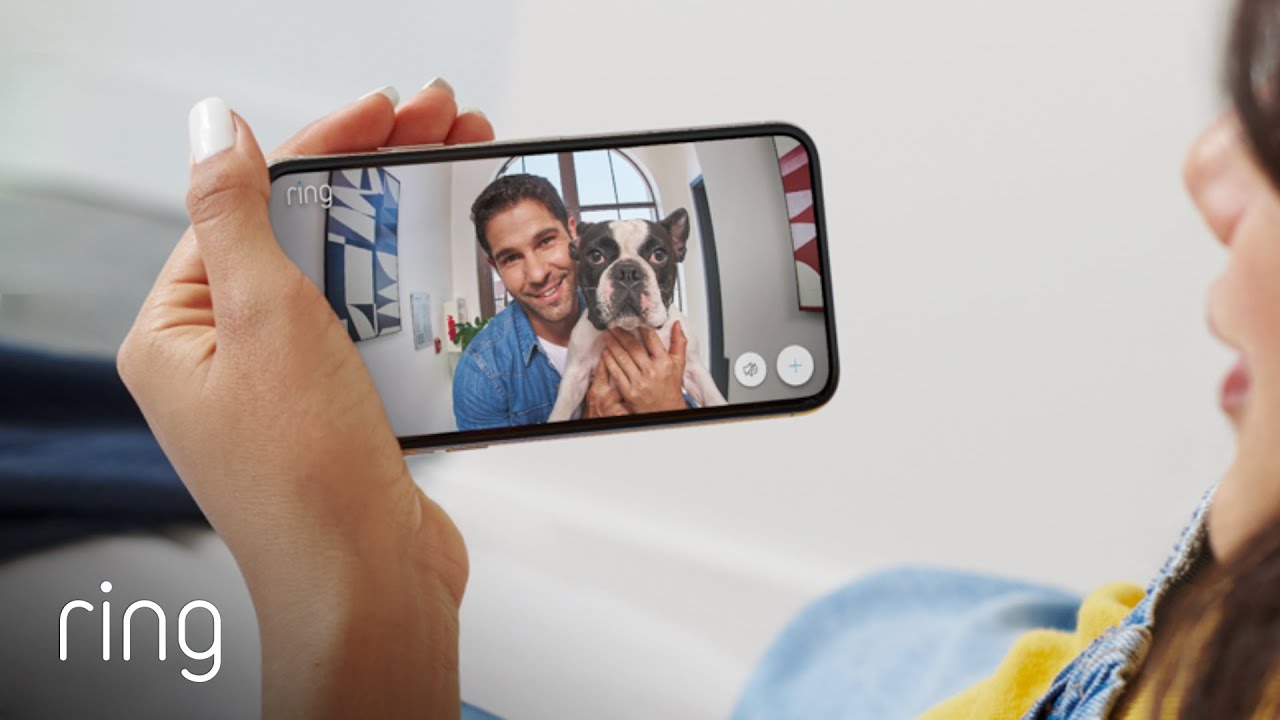
The Ring Video Doorbell by Jamie Siminoff transformed home security through smartphone-connected doorbell cameras, creating smart home security category.
Innovation Category
Smart home security integration making professional surveillance technology consumer-accessible.
Key Design Features
- HD video streaming to smartphone applications in real-time
- Motion detection with customizable alert zones
- Two-way audio communication through built-in speakers
Design Impact
Created smart doorbell category with over 10 million devices sold globally. Achieved Amazon acquisition for $1.2 billion, validating smart home security market.
Design Process & Methodology
Crowdfunded development focusing on smartphone integration over traditional security system complexity. Design prioritized easy installation and intuitive mobile app control.
Materials & Technology
1080p HD camera with infrared night vision. Wi-Fi connectivity with cloud storage for video recording and smartphone notifications.
Target User & Context
Homeowners seeking convenient security monitoring without professional installation requirements. Designed for both apartments and houses with existing doorbell wiring.
Industry Recognition
CES Innovation Award 2014. Good Housekeeping Seal of Approval for home security innovation.
Design Influence
Established smart doorbell as essential smart home category. Influenced Google Nest Hello, Arlo, and numerous competitors in video doorbell market.
AirPods

Apple AirPods designed by Jonathan Ive’s team eliminated headphone cables through seamless wireless technology integration, creating new wireless audio product category.
Innovation Category
Wireless audio technology breakthrough solving connectivity and battery life challenges.
Key Design Features
- W1/H1 chip enabling instant device pairing and switching
- Individual earbud design with shared charging case
- Automatic play/pause sensing through optical sensors
Design Impact
Became fastest-growing Apple product with over 100 million users. Generated $12+ billion annual revenue, larger than many Fortune 500 companies.
Design Process & Methodology
Solved wireless audio complexity through custom silicon design. Engineering focused on eliminating pairing friction while maximizing battery efficiency.
Materials & Technology
Custom Apple W1/H1 wireless chips with accelerometer and optical sensors. Lithium-ion batteries providing 24+ hours total listening time with charging case.
Target User & Context
iPhone users seeking wireless convenience for mobile lifestyle. Designed for seamless integration with Apple ecosystem devices.
Industry Recognition
Time Magazine “Best Inventions” 2016. Good Design Award recognition for wireless audio innovation.
Design Influence
Established true wireless earbuds as dominant audio accessory category. Influenced Samsung Galaxy Buds, Sony WF series, and numerous wireless earbud competitors.
Microsoft Surface Studio
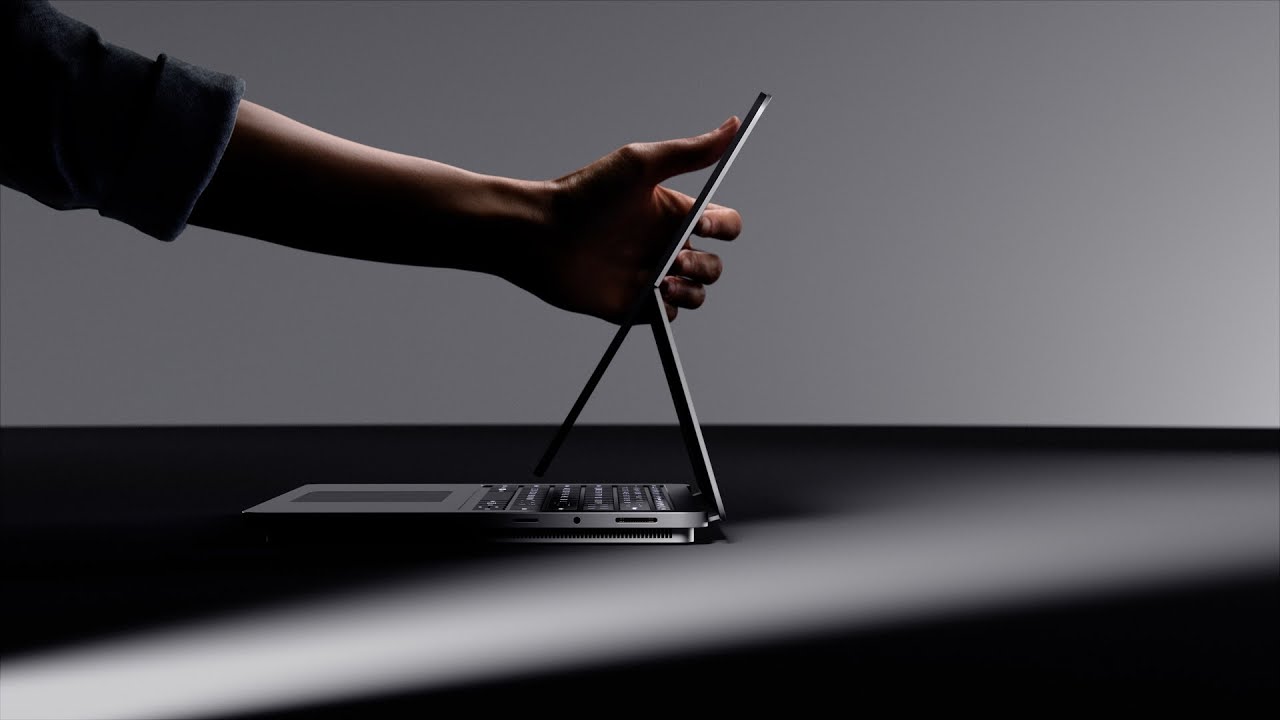
The Microsoft Surface Studio designed by Microsoft’s hardware team introduced all-in-one computing with adjustable touchscreen display, targeting creative professionals.
Innovation Category
Convertible desktop computing interface bridging traditional and touch-based creative workflows.
Key Design Features
- 28-inch touchscreen with 4500×3000 pixel resolution
- Zero-gravity hinge enabling flat “drafting table” positioning
- Surface Dial accessory for contextual creative tool control
Design Impact
Revitalized all-in-one desktop category for creative professionals. Achieved recognition as premium alternative to traditional creative workstations.
Design Process & Methodology
Targeted digital artists and designers requiring large-format touch interaction. Design process prioritized display quality and ergonomic flexibility over traditional desktop constraints.
Materials & Technology
High-resolution PixelSense display with 10-point multitouch and Surface Pen support. Intel Core processors with dedicated graphics for creative applications.
Target User & Context
Digital artists, architects, and creative professionals requiring large-format touch input. Designed for studios and offices where touch-based creative workflow provides advantages.
Industry Recognition
Red Dot Design Award 2017. CES Innovation Award for breakthrough desktop computing design.
Design Influence
Influenced Apple iMac Pro development and competitor large-format touchscreen workstations. Established creative-focused all-in-one computers as distinct market segment.
Segway Personal Transporter
The Segway PT by Dean Kamen pioneered self-balancing personal transportation through gyroscopic stabilization technology, attempting to revolutionize urban mobility.
Innovation Category
Self-balancing transportation breakthrough applying gyroscopic technology to personal mobility.
Key Design Features
- Gyroscopic stabilization maintaining balance through rider weight shifts
- Electric motor propulsion with intuitive lean-to-steer control
- Platform design eliminating traditional steering mechanisms
Design Impact
Despite limited commercial success, generated $500+ million in sales and influenced electric scooter market development. Established personal electric vehicle category foundation.
Design Process & Methodology
Applied aerospace gyroscope technology to solve personal transportation balance challenges. Engineering prioritized stability and safety over speed or portability.
Materials & Technology
Dual electric motors with gyroscopic sensors and microprocessor-controlled balance algorithms. Lithium-ion battery providing 15+ mile range per charge.
Target User & Context
Urban commuters and security personnel requiring efficient short-distance transportation. Designed for smooth surfaces and controlled environments.
Industry Recognition
Smithsonian Institution permanent collection inclusion. Time Magazine “Invention of the Year” 2001.
Design Influence
Influenced electric scooter industry development and self-balancing vehicle concepts. Established foundation for modern e-scooter sharing platforms and personal electric vehicles.
3D Printed Prosthetics

3D printed prosthetics represent collaborative design innovation making custom prosthetic devices affordable through additive manufacturing technology.
Innovation Category
Distributed manufacturing breakthrough democratizing custom medical device production.
Key Design Features
- Patient-specific customization through 3D scanning and modeling
- Rapid prototyping enabling design iteration and fitting adjustments
- Open-source design files enabling global collaborative development
Design Impact
Reduced prosthetic costs from $50,000+ to under $500 for functional devices. Enabled prosthetic access in developing countries where traditional devices remain unaffordable.
Design Process & Methodology
Community-driven open-source development through platforms like e-NABLE. Design process emphasizes functionality and affordability over traditional medical device aesthetics.
Materials & Technology
PLA and PETG thermoplastic materials with embedded electronics for myoelectric control. Consumer-grade 3D printers enabling local production and maintenance.
Target User & Context
Amputees in developing countries and children requiring frequent size adjustments. Designed for basic functionality rather than cosmetic appearance.
Industry Recognition
UNESCO recognition for humanitarian technology impact. White House Maker Faire featured innovation for democratizing medical technology.
Design Influence
Influenced traditional prosthetic manufacturers to develop modular and affordable product lines. Established additive manufacturing as viable medical device production method.
Modular Smartphones (Project Ara)

Google’s Project Ara attempted modular smartphone design enabling component upgrades without device replacement, challenging planned obsolescence through swappable modules.
Innovation Category
Modular computing architecture breaking traditional integrated device design paradigms.
Key Design Features
- Swappable modules for camera, battery, display, and processor components
- Electropermanent magnet system securing modules without tools
- Endoskeleton frame providing structural support and electrical connections
Design Impact
Despite cancellation, influenced modular design thinking in smartphones and laptops. Generated patents and research supporting sustainable electronics development.
Design Process & Methodology
Applied modular computing principles to mobile device design. Engineering focused on electrical connection reliability while maintaining device portability.
Materials & Technology
Electropermanent magnets with spring-loaded electrical connectors. Android-based operating system with hot-swappable hardware detection.
Target User & Context
Environmentally conscious consumers seeking customizable and upgradeable mobile devices. Designed for tech enthusiasts willing to manage component complexity.
Industry Recognition
Time Magazine “Best Inventions” nomination 2014. Green Electronics Council recognition for sustainable design approach.
Design Influence
Influenced Framework Laptop modular design and Fairphone modular smartphone development. Established sustainable electronics as important design consideration.
Solar Roof Tiles (Tesla)

Tesla Solar Roof integrated photovoltaic technology into traditional roofing materials, solving aesthetic objections to conventional solar panel installations.
Innovation Category
Building-integrated photovoltaics eliminating visual distinction between energy generation and architectural materials.
Key Design Features
- Glass tiles incorporating photovoltaic cells with traditional roofing appearance
- Textured glass surface providing weather resistance and light diffusion
- Integrated wiring system eliminating visible electrical connections
Design Impact
Created building-integrated solar market segment with premium positioning. Achieved architectural acceptance for solar technology through material integration.
Design Process & Methodology
Applied automotive glass technology to roofing material challenges. Design process prioritized aesthetic integration over traditional solar efficiency optimization.
Materials & Technology
Tempered glass with embedded solar cells and anti-reflective coatings. Integrated electrical system connecting tiles through concealed wiring harnesses.
Target User & Context
Homeowners seeking solar energy without compromising architectural aesthetics. Designed for new construction and roof replacement projects.
Industry Recognition
Popular Science “Best of What’s New” 2016. Architectural Record recognition for innovative building-integrated technology.
Design Influence
Influenced traditional roofing manufacturers to develop integrated solar solutions. Established building-integrated photovoltaics as premium solar market segment.
Invisible Speakers (Lithe Audio)

Lithe Audio invisible speakers eliminated visible audio equipment through flush-mount ceiling integration, solving home theater aesthetic challenges.
Innovation Category
Architectural audio integration making high-quality sound systems visually invisible.
Key Design Features
- Flush-mount installation with paintable grilles matching ceiling surfaces
- Wide dispersion patterns eliminating multiple speaker requirements
- Magnetic grille attachment enabling easy access for maintenance
Design Impact
Created invisible audio market segment for high-end residential and commercial installations. Achieved architectural integration without compromising audio quality.
Design Process & Methodology
Applied professional audio engineering to residential installation challenges. Design focused on acoustic performance while minimizing visual impact.
Materials & Technology
Neodymium magnet drivers with optimized enclosure designs for ceiling installation. Paintable grilles and trim rings enabling perfect architectural integration.
Target User & Context
Homeowners and commercial spaces requiring high-quality audio without visible equipment. Designed for luxury residential and hospitality installations.
Industry Recognition
Custom Electronic Design & Installation Association recognition for innovative residential audio.
Design Influence
Influenced major audio manufacturers to develop invisible speaker product lines. Established architectural audio integration as premium market segment.
Folding Electric Bikes

Folding electric bikes combined electric assistance with compact folding mechanisms, solving urban transportation and storage challenges.
Innovation Category
Portable electric transportation breakthrough enabling multimodal urban commuting.
Key Design Features
- Compact folding design fitting in car trunks and office spaces
- Electric motor assistance extending range and reducing effort
- Lightweight materials maintaining portability despite battery weight
Design Impact
Created folding e-bike category with millions of units sold globally. Enabled bike-sharing programs and multimodal urban transportation solutions.
Design Process & Methodology
Combined traditional folding bike engineering with electric drivetrain integration. Design balanced portability, durability, and electric assistance performance.
Materials & Technology
Aluminum alloy frames with lithium-ion batteries and brushless electric motors. Folding mechanisms using quick-release levers and hinges.
Target User & Context
Urban commuters combining cycling with public transportation or car travel. Designed for apartment dwellers with limited storage space.
Industry Recognition
Eurobike Award recognition for innovative urban mobility solutions.
Design Influence
Influenced traditional bicycle manufacturers to develop electric folding models. Established folding e-bikes as essential urban transportation category.
Smart Contact Lenses

Smart contact lenses represented biomedical technology integration attempting health monitoring through ocular sensors.
Innovation Category
Biomedical sensor integration miniaturizing health monitoring technology to contact lens form factor.
Key Design Features
- Glucose monitoring through tear fluid analysis
- Wireless data transmission to external monitoring devices
- Biocompatible materials ensuring extended eye safety
Design Impact
Despite development challenges, advanced miniaturized sensor technology and biocompatible electronics research. Influenced wearable health monitoring development directions.
Design Process & Methodology
Applied semiconductor miniaturization to biomedical sensing applications. Engineering focused on biocompatibility and power consumption optimization.
Materials & Technology
Flexible electronics with biocompatible polymers and wireless communication systems. Miniaturized sensors and circuits embedded in hydrogel lens materials.
Target User & Context
Diabetic patients requiring continuous glucose monitoring without finger-stick testing. Designed for medical applications rather than consumer electronics.
Industry Recognition
Research recognition for advancing biomedical sensor miniaturization technology.
Design Influence
Influenced development of implantable medical sensors and wearable health monitoring devices. Advanced biocompatible electronics research.
Levitating Speakers
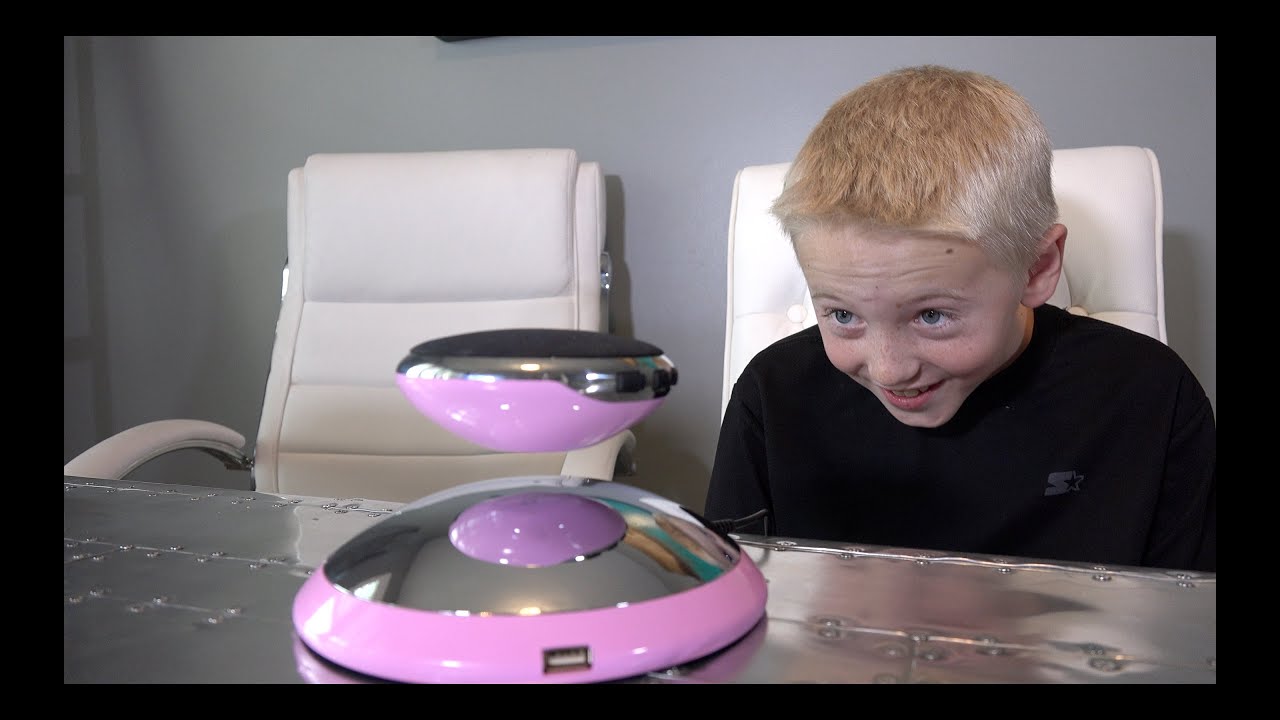
Levitating speakers used magnetic levitation technology for floating audio devices, creating visually striking wireless audio systems.
Innovation Category
Magnetic levitation applied to consumer electronics for aesthetic differentiation.
Key Design Features
- Magnetic levitation suspension creating floating speaker effect
- Wireless audio transmission eliminating physical connections
- Rotating speaker for omnidirectional sound distribution
Design Impact
Created premium novelty audio market segment commanding premium pricing. Achieved viral marketing success through visual appeal and technology demonstration.
Design Process & Methodology
Applied electromagnetic levitation principles to consumer audio equipment. Design prioritized visual impact over traditional audio performance optimization.
Materials & Technology
Electromagnetic suspension systems with wireless Bluetooth audio transmission. Permanent magnets and electromagnets maintaining stable levitation.
Target User & Context
Technology enthusiasts and luxury consumers seeking conversation-piece audio equipment. Designed for display and demonstration rather than critical listening.
Industry Recognition
CES Innovation Award recognition for novel consumer electronics application.
Design Influence
Influenced development of magnetic levitation in other consumer products. Established levitation as premium feature in technology products.
Transparent OLED Displays

Transparent OLED displays enabled see-through digital screens, creating new possibilities for retail displays and automotive applications.
Innovation Category
Display technology breakthrough enabling transparent digital information overlay.
Key Design Features
- 85% transparency when displaying black content
- Full-color display capability with OLED pixel technology
- Flexible mounting options for various installation configurations
Design Impact
Created transparent display market for retail, automotive, and architectural applications. Enabled augmented reality overlay solutions in physical environments.
Design Process & Methodology
Advanced OLED technology removing opaque backing materials while maintaining display quality. Engineering focused on transparency optimization and durability.
Materials & Technology
Organic light-emitting diode technology with transparent substrates and conductors. Specialized manufacturing processes maintaining optical clarity.
Target User & Context
Retail environments, automotive displays, and architectural installations requiring information overlay without blocking visibility.
Industry Recognition
Display Industry Award recognition for breakthrough transparent display technology.
Design Influence
Influenced development of automotive windshield displays and retail window advertising. Advanced transparent electronics research and development.
FAQ on Cool And Innovative Product Design
What makes a product design truly innovative?
Innovative product designs solve existing problems through new approaches or create entirely new user behaviors. They challenge conventional thinking while delivering measurable improvements in functionality, aesthetics, or user experience. Examples include Tesla’s steer-by-wire technology and Apple’s multitouch interface.
Which companies consistently produce the most innovative designs?
Apple, Tesla, Dyson, and Google lead in breakthrough technology products. These companies invest heavily in design thinking and aren’t afraid to challenge industry standards. Their products like iPhone, Cybertruck, and Airblade hand dryers regularly reshape entire market categories.
How do innovative designs impact market success?
Game-changing designs can create new product categories and generate billions in revenue. The iPhone spawned the smartphone industry worth $500+ billion annually. However, timing and market readiness matter-Google Glass failed despite innovative AR technology.
What role does user experience play in innovative design?
User-centered design prioritizes solving real problems over showcasing technology. Successful innovations like Ring doorbell and Nest thermostat focus on eliminating friction from daily tasks. Poor user experience killed products like Google Glass despite advanced features.
Why do some innovative products fail commercially?
Market timing, pricing, and social acceptance determine success beyond technical innovation. Google Glass faced privacy concerns and social stigma. Project Ara’s modular smartphones proved too complex for mainstream users despite environmental benefits.
How important is aesthetic design versus functionality?
Both elements must work together for market success. The Tesla Cybertruck proves radical aesthetics can succeed when paired with functional benefits. However, purely aesthetic innovations without practical value rarely achieve lasting commercial success.
What industries see the most product design innovation?
Consumer electronics, automotive, and smart home sectors lead design innovation. These industries face rapid technological change and intense competition. Healthcare and sustainable technology also show increasing innovative activity through 3D printed prosthetics and solar roof tiles.
How do companies validate innovative design concepts?
Prototype development and user testing reveal design flaws before launch. Tesla’s Cybertruck underwent extensive testing while Google Glass released too early. Successful companies iterate based on feedback rather than assuming market acceptance.
What materials enable innovative product designs?
Advanced materials like carbon fiber, aluminum alloys, and specialized plastics enable new form factors. Stainless steel in Cybertruck and tempered glass in smartphones showcase how material innovation drives design possibilities.
How do innovative designs influence industry trends?
Breakthrough products establish new design standards that competitors must match or exceed. iPhone’s capacitive touchscreen eliminated physical keyboards industry-wide. Tesla’s minimalist interior design influenced all electric vehicle manufacturers to simplify dashboard layouts.
Conclusion
These cool and innovative product design examples demonstrate how bold vision transforms industries and creates new possibilities. From AirPods revolutionizing wireless audio to Nest’s machine learning thermostats, successful innovations solve real problems while challenging conventional approaches.
The most impactful designs share common characteristics: they prioritize user experience over technical complexity. Ring doorbell succeeded where Google Glass failed by focusing on practical value rather than showcasing advanced technology.
Sustainable design solutions like 3D printed prosthetics and Tesla Solar Roof tiles show innovation’s expanding role in addressing global challenges. These products prove that environmental responsibility and commercial success can align when designers think beyond traditional constraints.
Future innovations will likely emerge from unexpected intersections of technology, materials science, and human behavior. The companies that survive will be those willing to risk failure while maintaining focus on genuine user needs.
Whether developing the next breakthrough or simply appreciating design excellence, these examples reveal that innovation requires both technical capability and deep understanding of human motivations.

Renowned for his expertise in logo design and visual branding, Bogdan has developed a multitude of logos for various clients.
His skills extend to creating posters, vector illustrations, business cards, and brochures. Additionally, Bogdan's UI kits were featured on marketplaces like Visual Hierarchy and UI8.
He also wrote in the past years on sites like Design Your Way, WebDesignerDepot, WPDean, Designmodo, Speckyboy, Slider Revolution, and more.
- How to Install Fonts on Mac (Step-by-Step Guide) - 20 September 2026
- From Mockup to Code: How AI-Augmented Development Speeds Up the Design Handoff - 19 September 2026
- The Beehiiv Logo History, Colors, Font, And Meaning - 18 September 2026

Bogdan Sandu is a seasoned designer who has been designing websites since 2008. Renowned for his expertise in logo design and visual branding, Bogdan has developed a multitude of logos for various clients. His skills extend to creating posters, vector illustrations, business cards, and brochures. Additionally, Bogdan's UI kits were featured on marketplaces like Visual Hierarchy and UI8. He also wrote in the past years on sites like Design Your Way, WebDesignerDepot, WPDean, Designmodo, Speckyboy, Slider Revolution, and more.
You Might Also Like