Imagine standing out in a sea of competitors, where your brand’s logo not only grabs attention but leaves a lasting impression. That’s the power of logo variations. In today’s dynamic market, adapting and evolving your visual identity is crucial.
Logo variations are not just about aesthetics; they’re about creating a versatile brand identity that resonates across all platforms. Whether it’s through minimalist logos, color schemes, or vector logos, each variation serves a unique purpose in your branding strategy.
You’ll discover how branding strategies and logo customization can elevate your company’s presence.
By the end of this article, you’ll understand the importance of logo adjustments, learn the nuances of typography in logos, and see how design software like Adobe Illustrator and Figma can transform your ideas into reality.
What’s a logo variation?
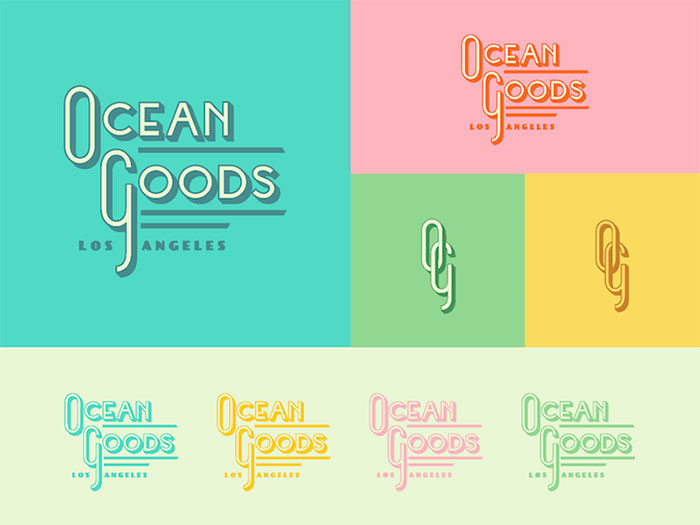
When we talk about branding and specifically logo variation, we are not talking about just one logo. We are referring to many logos that give a range of versatility for a brand to choose the best one from. A logo variation is simply a way to showcase more version of the main logo so that it can be easier for somebody to choose the final form.
This is why when hiring a graphic designer to create a brand identity you shouldn’t expect just two logos. Logo variations are something that each professional designer should make sure he delivers to his clients.
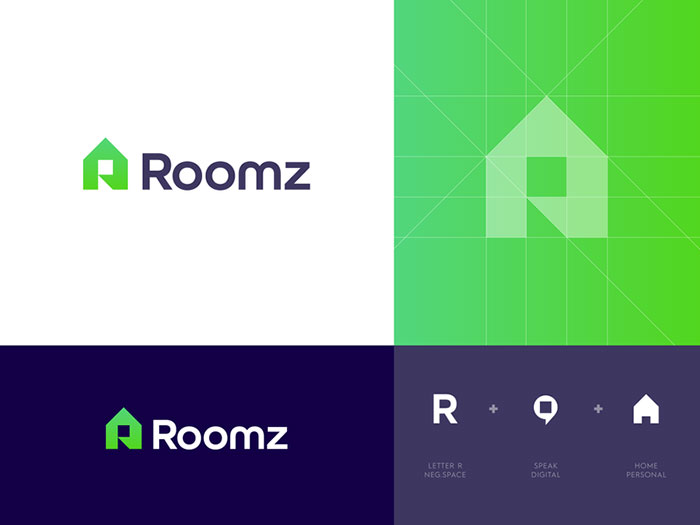
A logo variation is a modified version of your logo that can be used in different instances. Sometimes this can be related to size, position and so on.
What Logo Variations You’ll Need
If you are a designer you shouldn’t put too much thought into how many logo variations are an ideal number. Just go on the number that achieves the requested properties and you should be just fine
Primary Logo
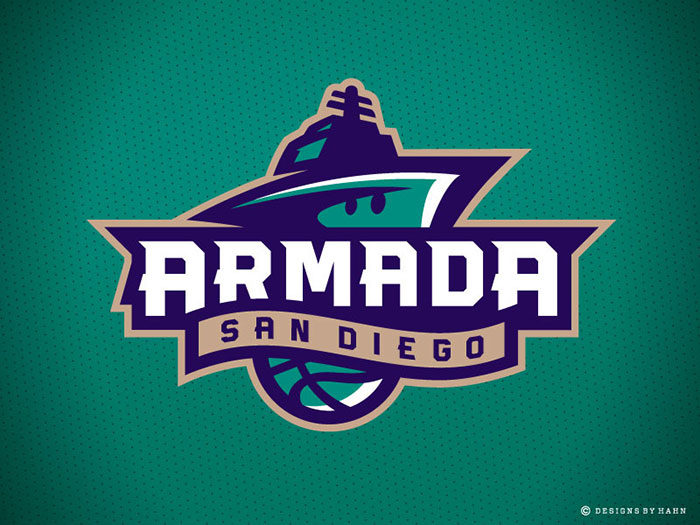
A primary logo is the main one that gets shown to the client that requested it. Around the primary logo, you can bring other logo variations that have different colors, sizes or position.
Secondary Logo
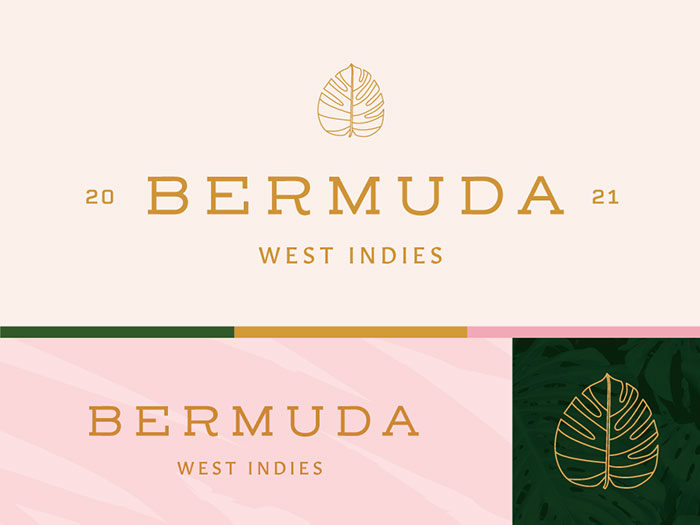
The secondary logo is also referred to as an alternate logo. The secondary logo uses elements for the primary logo that get arranged in a different composition.
This offers you more flexibility that you can use in your logo and in different design settings that you are doing. In some cases, a secondary logo can be a more simplified version of the primary one. This type is more used in social media profile images and other mediums where a more compact version is needed.
Horizontal Design
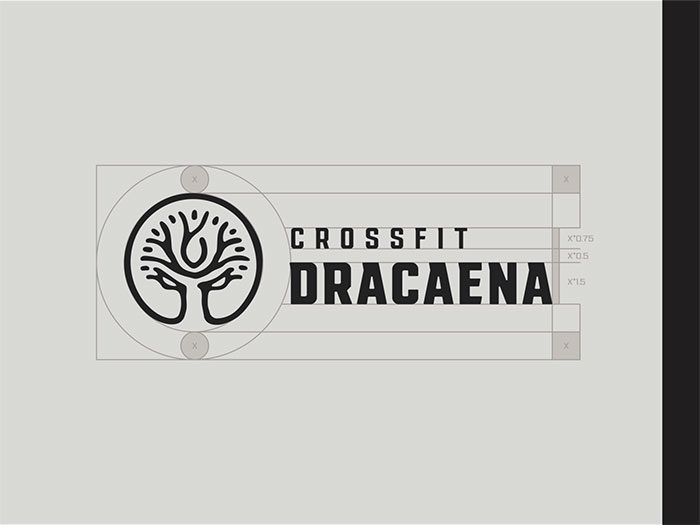
If your main logo doesn’t have a horizontal format, for sure you will need this option. The space in the bottom of a print advertisement is a vertical one so you can use this version as often as you want. Many social platforms also need a horizontal header space for your logo.
Stacked Logo
Offering logo variations can also mean that you go for a stacked one. This version is most often used when the space on something that needs to be printed is not enough for the horizontal logo.
The most two common places where you will need this type of logo are in favicons and avatars.
The Single-Color Logo
One of the best tests that could be done to your logo is when you switch it to a single color. This makes it simpler and readable and it also shows you how would it look for one-color printing when you do it for business cards, letterheads or packaging.
Multiple logos can be tested this way to see if a single-color is going to work for them.
Two or More Color Variations
After you get the single-color logo adding some more color can be an idea when you want to differentiate certain business divisions. For example, wholesale or retail sections in a website need this type of different representation through the same logo.
Color variations can also be used to bring a variety to a system of branded components like icons or printed packaging and patterns. So, for sure as a designer, you can play around with this concept and chances are quite big that your client is going to like what you say.
Square Design
Another way to get logo variations is when you go for the square design. Social media icons are one of the best examples when it comes to square designs and for sure anybody is going to need this especially because we live in a world that is so connected to the internet. It’s a must for any brand.
Submark
A submark can easily be referred as to a watermark even more if the brand identity is going to be made for a photographer. This kind of logo is a simplified version and most of the time it can be an icon or the initials.
The Monogram
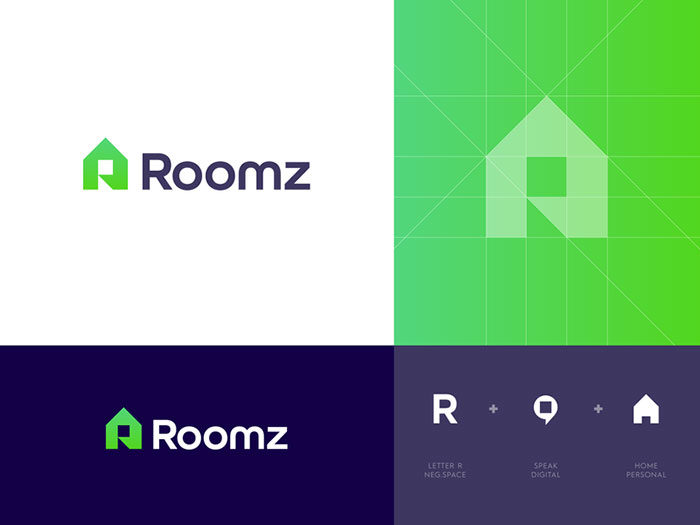
Continuing our logo variations types, we reach the monogram. This offers a compact logo option where space is very important. They are created by combining the initials of a company name in a simple and elegant way. They work great in repeating patterns like packing tape, signage or wallpaper.
But why have logo variations?
When you only have one logo, or two logos as a model it is quite hard to decide if this is going to be the right choice. A designer’s job is to make sure that the client received relevant options that could showcase the primary logo in a better way for the client’s needs.
On top of that having a full brand identity where you also get multiple logos types is a great choice in the long term and is going to serve your business much better and more effectively.
Logo Variations Elevate Your Brand
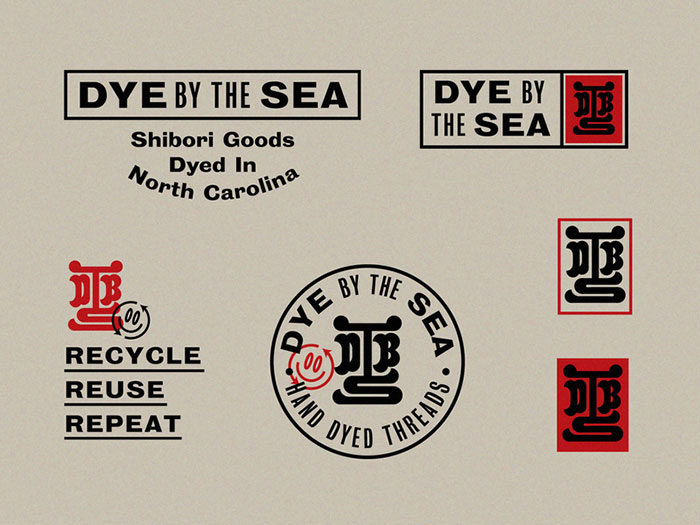
When you are building your own business, it means that you also need to take care of the branding aspect. An important component for your brand’s identity is also about different visual elements the most important one being Logo design. No matter if you are making a website, a flyer or business cards a logo is very important. Never start building something brand-related until you have your final logo variations and color scheme.
Growth
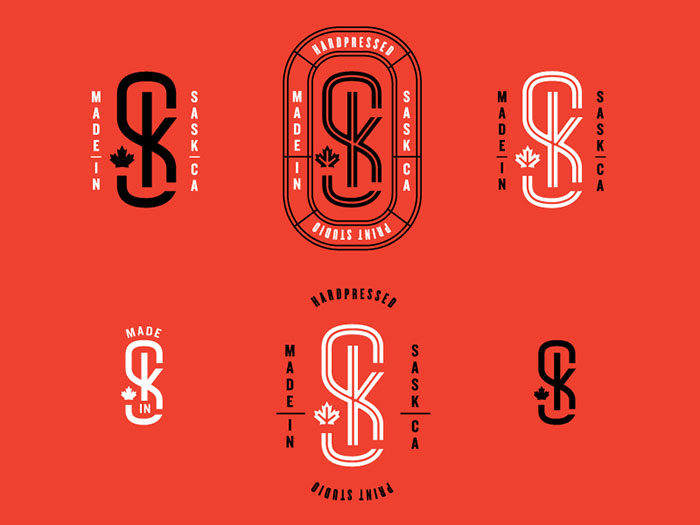
After your business is starting to grow you need to have logo alternatives or submarks that you can switch between for your main logo. Sometimes a submark logo can become the primary one so this is why it is important to have them done from the beginning.
Versatility
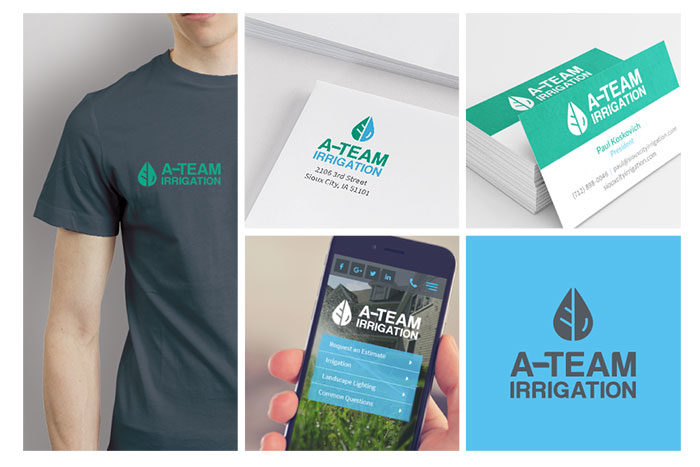
Versatility is important when considering the variations that your logo bring. When your business grows your logo will also appear on various media like emails, labels, tags, website and so on.
Logo versatility is therefore quite important when your business starts to grow because you can place your logo in many more places. Each place is going to have their own requirements for how they will accept your logo so having them ready is already a plus.
Social Media
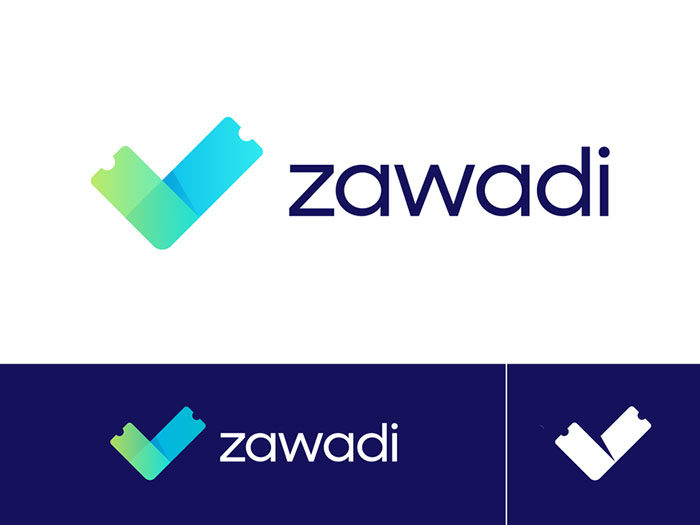
If you are quite active on social media you need to have logo variations that can work for each channel that you want to be on. Depending on the design that your primary logo has you can always choose a horizontal version that will work for the online channels.
FAQ On Logo Variations
What are logo variations?
Logo variations are different versions of your primary logo, designed to suit various contexts and applications.
They might include monochrome logos, minimalist logos, or logo adaptations for different platforms. Each variation ensures that your brand identity remains consistent and recognizable across all mediums.
Why do I need logo variations?
Having logo variations enhances your brand’s versatility. Different situations demand different logo styles, whether it’s a business logo for formal settings or a colorful vector logo for digital platforms.
Variations maintain brand consistency and ensure your logo looks great, whether on a billboard or a business card.
How many logo variations should I have?
The number of logo variations depends on your branding strategy. Typically, having a primary logo, a monochrome version, and a simplified logo for small applications is a good start.
This way, you cover most scenarios while keeping your visual identity cohesive and flexible.
What is the difference between a logo variation and a logo redesign?
A logo variation adapts your existing logo for different uses, while a logo redesign involves creating an entirely new logo.
Variations might include changes in color schemes, typography, or layout, whereas a redesign starts from scratch, redefining your brand’s visual identity.
How do I choose the right logo variation?
Choosing the right logo variation depends on the context. For digital use, a vector logo ensures scalability. For formal documents, a monochrome logo might be ideal.
Consider your branding elements and the medium to select a variation that maintains brand consistency and visual appeal.
Can logo variations affect brand perception?
Absolutely. Consistent use of well-designed logo variations reinforces your brand’s identity and professionalism.
Each variation should complement your main logo, ensuring your corporate identity remains strong. Poorly executed variations, however, can confuse and dilute your brand message.
How do I create effective logo variations?
To create effective logo variations, use design software like Adobe Illustrator or Figma. Focus on branding elements such as typography, color schemes, and iconography.
Ensure each variation aligns with your brand guidelines and enhances your visual identity.
Should I use logo variations on social media?
Yes, using logo variations on social media can enhance your brand’s presence. Platforms like Facebook, Instagram, and Twitter often require different logo formats.
Logo customization for each platform ensures your brand identity remains clear and engaging across all social channels.
What are some common mistakes with logo variations?
Common mistakes include lack of brand consistency, poor design elements, and neglecting logo guidelines.
Avoid using variations that stray too far from your main logo or fail to consider the context of use. Ensure each variation reinforces your brand’s visual identity.
How do logo variations fit into a broader branding strategy?
Logo variations are integral to a branding strategy. They allow for flexibility and adaptability across various mediums, ensuring your brand identity stays consistent.
Incorporating logo variations in your branding guidelines helps maintain a cohesive and professional corporate identity.
Conclusion
Exploring logo variations reveals the power and flexibility they bring to your brand identity. From vector logos to monochrome logos, each variation serves a distinct purpose, ensuring your logo remains impactful across different mediums.
By integrating branding elements like color schemes, typography, and iconography, you maintain brand consistency and enhance your corporate identity. These variations allow your logo to adapt seamlessly, whether on a digital platform or printed material.
Implementing logo customization in your branding strategy not only solidifies your visual presence but also reinforces your brand guidelines. Utilizing tools like Adobe Illustrator or Figma, you can craft effective logo variations that speak to your audience and uphold your brand’s integrity.
In conclusion, embracing logo variations is a strategic move that keeps your brand agile, recognizable, and professional. Let your logo tell a cohesive story, no matter where it appears.
If you enjoyed reading this article about logo variations, you should read these as well:
- Designing Logos for the Financial Industry
- Impressive CSS logo examples you should check out
- Logo presentation: How to show the logo to your clients

Renowned for his expertise in logo design and visual branding, Bogdan has developed a multitude of logos for various clients.
His skills extend to creating posters, vector illustrations, business cards, and brochures. Additionally, Bogdan's UI kits were featured on marketplaces like Visual Hierarchy and UI8.
He also wrote in the past years on sites like Design Your Way, WebDesignerDepot, WPDean, Designmodo, Speckyboy, Slider Revolution, and more.
- How to Install Fonts on Mac (Step-by-Step Guide) - 20 September 2026
- From Mockup to Code: How AI-Augmented Development Speeds Up the Design Handoff - 19 September 2026
- The Beehiiv Logo History, Colors, Font, And Meaning - 18 September 2026

Bogdan Sandu is a seasoned designer who has been designing websites since 2008. Renowned for his expertise in logo design and visual branding, Bogdan has developed a multitude of logos for various clients. His skills extend to creating posters, vector illustrations, business cards, and brochures. Additionally, Bogdan's UI kits were featured on marketplaces like Visual Hierarchy and UI8. He also wrote in the past years on sites like Design Your Way, WebDesignerDepot, WPDean, Designmodo, Speckyboy, Slider Revolution, and more.
You Might Also Like