New trends emerge in architecture. Old styles are left behind and architects now go for the ultra-modern look, the futuristic style of buildings.
They shouldn’t be blamed for this, don’t get me wrong, I actually admire this attitude. It’s bold and it must be appreciates because they’re looking ahead in the future and setting some landmarks for the young architects that will come.
For us, the humble mortals, they’re offering a great spectacle of shapes and colors, leaving us the opportunity to simply gaze at their brilliant work.
You know how in the 90’s, many great architects were gathered in Netherlands to rejuvenate the city with modern buildings? Well, it’s time for Dubai and Beijing to collect all the architects with vision.
They have an intelligent strategy of investing in modern buildings in order to attract tourists and also prepare themselves for the future. Fortunate for them, they have a lot of space to build new architectural wonders, unlike European cities were there isn’t place to build even a small boutique.
You may have seen some of these buildings, they’re already classics among the fans of conceptual architecture, but I bet that there are some of them that you will see for the first time.
There are few of these sci-fi buildings which still are in the project faze, some of them are in the building process and most of them, of course, are already built.
Sonnenhof
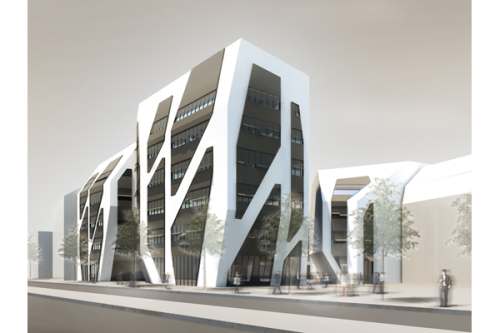
A ceremony on April 16th marked the official groundbreaking of “Sonnenhof”, a landmark development designed by J. MAYER H. Architects consisting of four new office and apartment buildings extending over several allotments in the historic center of Jena, Germany.
Spanning over approximately half of the lot, the four-building complex leaves a large part of the space open for public use during the day, permitting a free flow of pedestrian traffic across the area. The buildings, situated on the edges of the lot, frame a small, urban courtyard typical to medieval city structures.
ACME UN Memorial
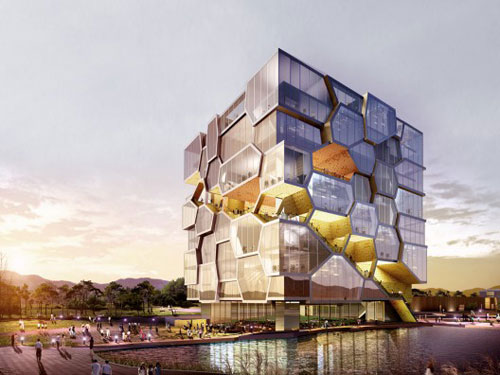
London-based architecture firm ACME was awarded third prize in a recent competition to design a United Nations memorial. Initiated by the city of Chungju in South Korea, the selected memorial will rest in the city’s UN Peace Park.
ACME’s proposal is comprised of a 1,500 seating assembly, two conference halls, a theater and exhibition spaces. The organization of the memorial is metaphorically modeled similarly to the United Nations, where many parts make up the whole.
Agora Theatre – Lelystad, Netherlands
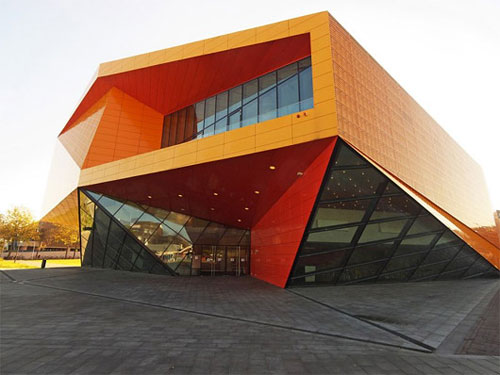
The Agora Theatre is an extremely colourful, determinedly upbeat place. The building is part of the masterplan for Lelystad by Adriaan Geuze, which aims to revitalize the pragmatic, sober town centre.
The theatre responds to the ongoing mission of reviving and recovering the post-war Dutch new towns by focusing on the archetypal function of a theatre: that of creating a world of artifice and enchantment.
Both inside and outside walls are faceted to reconstruct the kaleidoscopic experience of the world of the stage, where you can never be sure of what is real and what is not. In the Agora theatre drama and performance are not restricted to the stage and to the evening, but are extended to the urban experience and to daytime.
Air Force Academy Chapel – Colorado, USA
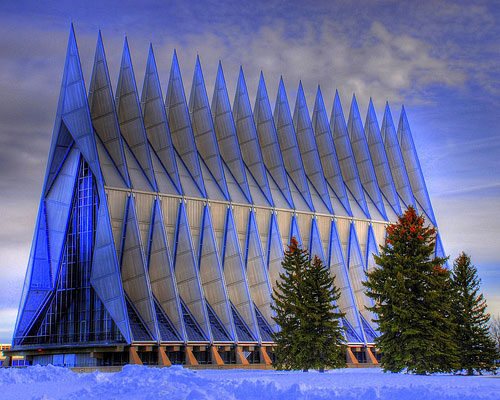
In 1954 Skidmore, Owings & Merrill were commissioned to design the United States Air Force Academy Cadet Chapel. Located in El Paso Country, Colorado, just outside of Colorado Springs, the chapel is of the training center for officers of the United States Air Force which is a large self-contained community.
Apeiron Hotel – Dubai, UAE
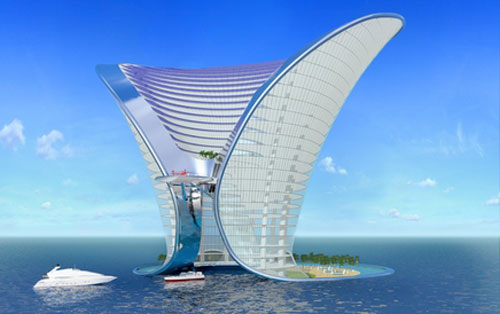
Art School – Singapore
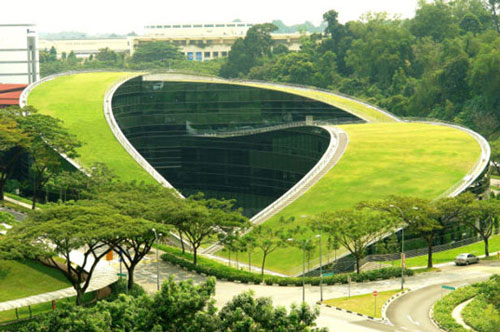
Formed by two sloping, tapering arcs that interlock with a third, smaller arc, the School of Art, Design, and Media is an elegant five-story, 215,000-square-foot structure housing more than two dozen studios and laboratories, two galleries, and as many lecture halls, alongside classrooms, a soundstage, a 450-seat auditorium, and motley other spaces spanning a library to prototyping rooms.
Accessible by stairs along the edges, the curving, green roofs prevent a loss of open space, while offering a sculptural solution for CPG’s design goals.
Atomium – Brussels, Belgium
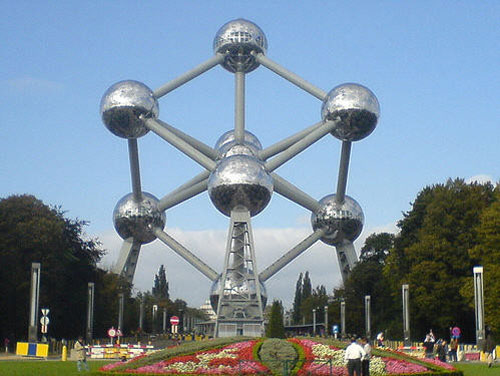
The Atomium is a building in Brussels originally constructed for Expo 58, the 1958 Brussels World’s Fair. Designed by the engineer André Waterkeyn and architects André and Jean Polak, it stands 102 m tall
Azadi Tower – Tehran, Iran
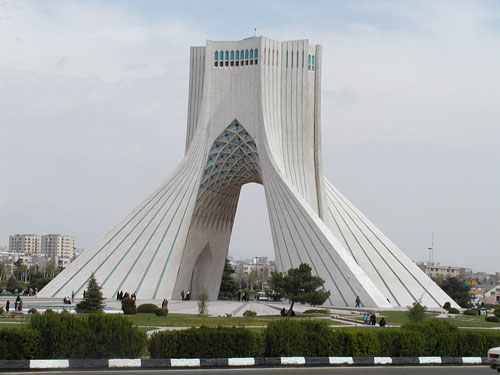
Commissioned to celebrate the 2500th anniversary of the Persian Empire, the Azadi Tower has been a site of celebration, unrest, and revolution. Despite its association with the deposed Shah, the tower has been embraced as a national symbol of Iran, playing host to both pro- and anti-government demonstrations, following the controversial 2009 Presidential elections.
Baj Pomorski Theatre – Torun, Poland
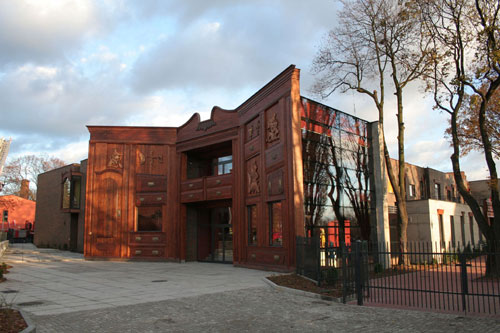
The Baj Pomorski Theatre was started thanks to Irena Pikiel-Samorewiczowa – an artist, painter, and repatriate from Vilnius who had come to Bydgoszcz in April 1945 possessing a document from The Ministry of Arts and Culture (dated April 1, 1945), entitling her to organize the first puppet theatre in Pomerania.
Bank Office – Hannover, Germany
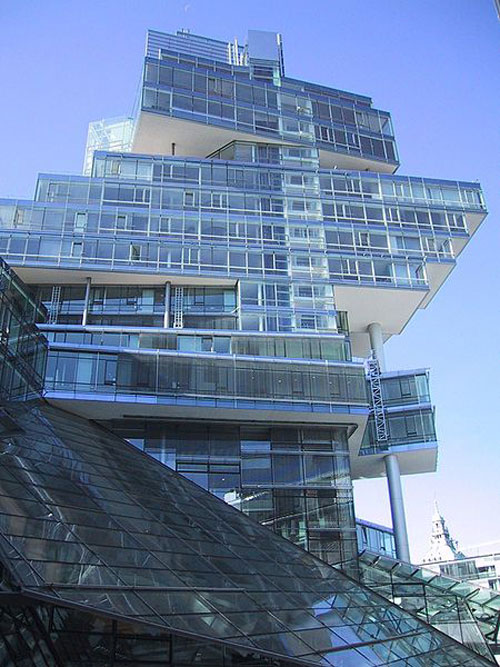
Bicentennial Conservatory – Adelaide, Australia
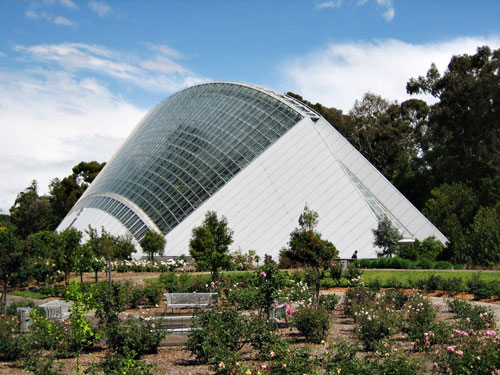
The building is curvilinear in shape – 100 metres long, 47 metres wide and 27 metres high. An elegant steel superstructure supports the 2,434 metres2 of toughened glass, which forms the roof, walls and doors. Its glistening and distinctive shape is a landmark, particularly for visitors flying in to Adelaide.
BMW – Munich, Germany
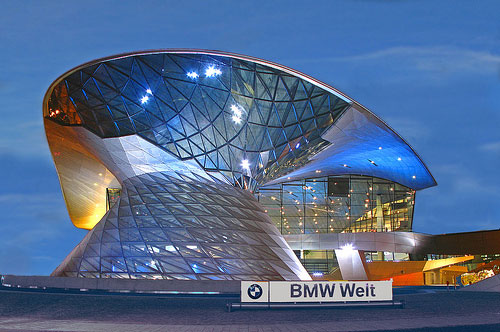
Burj Al Arab – Dubai, UAE
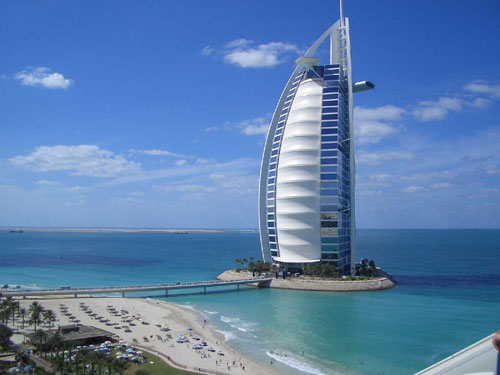
The Burj al-Arab is a luxury hotel located in Dubai, United Arab Emirates. It is the fourth tallest hotel in the world; however, 39% of its total height is made up of non-occupiable space. Burj Al Arab stands on an artificial island 280 m (920 ft) from Jumeirah beach and is connected to the mainland by a private curving bridge.
Bus Station – Casar, Spain
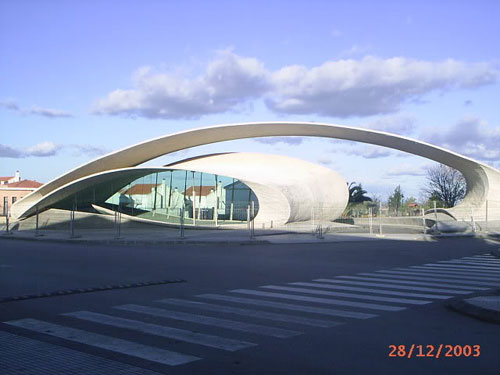
CCTV Headquarters – Beijing, China
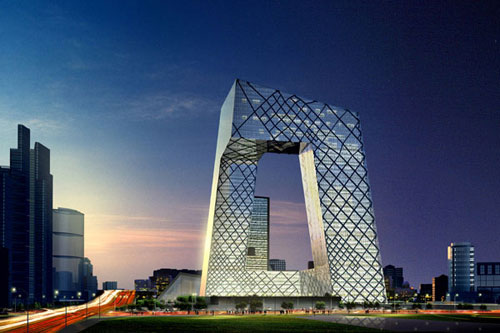
The CCTV Headquarters is a 234 m (768 ft), 44-story skyscraper on East Third Ring Road, Guanghua Road in the Beijing Central Business District (CBD). The tower serves as headquarters for China Central Television (CCTV) that was formerly at the China Central Television Building located at 11 Fuxin Road some 15 km (9.3 mi) to the west.
Centre Pompidou-Metz Museum – Metz, France
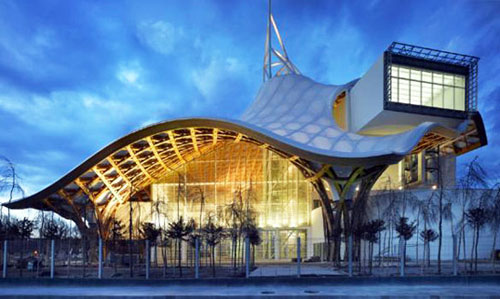
The Centre Pompidou-Metz is a museum of modern and contemporary arts located in Metz, capital of Lorraine, France. It is a branch of Pompidou arts centre of Paris, and features semi-permanent and temporary exhibitions from the large collection of the French National Museum of Modern Art, the largest European collection of 20th and 21st century arts.
The museum is the largest temporary exhibition space outside Paris in France with 5,000 m2 (54,000 sq ft) divided between 3 galleries, a theatre, and an auditorium.
City Tower – Cheongna
Commercial Complex – New Orleans, USA
Conrad Hotel – Beijing, China
Cooper Union – New York, USA
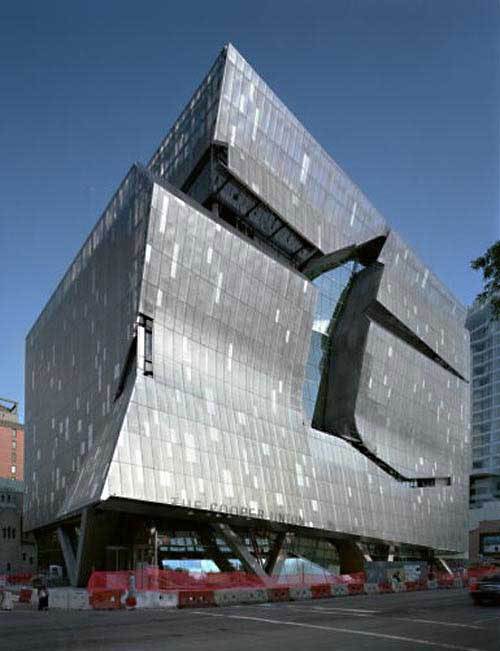
The Cooper Union for the Advancement of Science and Art, commonly known as Cooper Union or The Cooper Union and informally referred to, especially during the 19th century, as “the Cooper Institute”, is a privately funded college located in Cooper Square in the East Village neighborhood of Manhattan, New York City.
Coop Himmelb(l)au High School – Los Angeles, USA
au-high-scho.jpg)
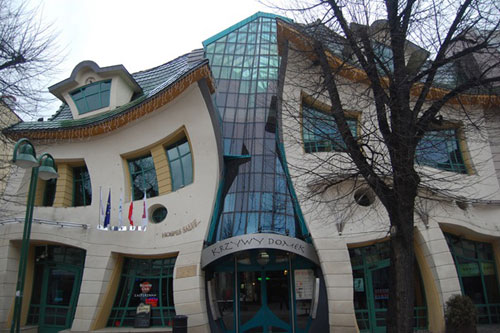
Crooked House – Sopot, Poland
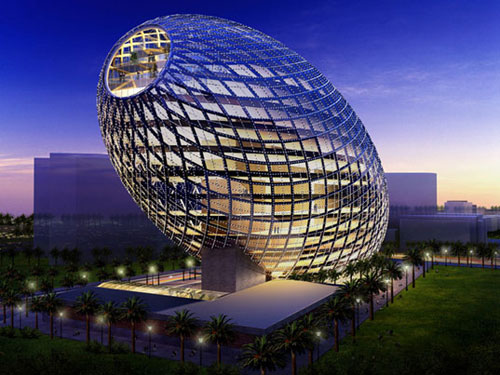
Cybertecture Egg – Mumbai, India
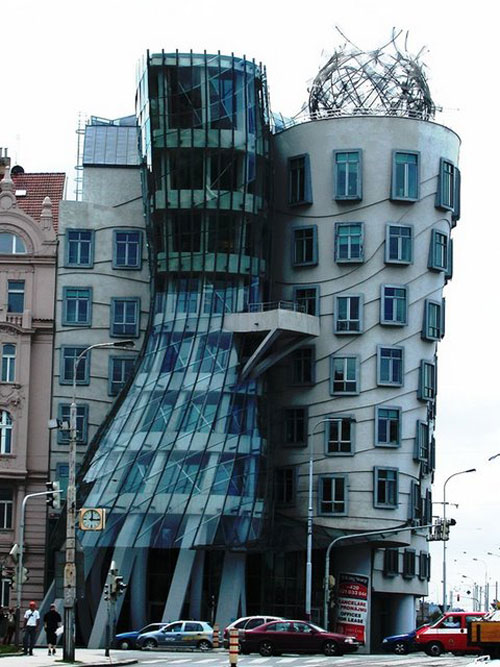
Dancing Building – Prague, Czech Republic
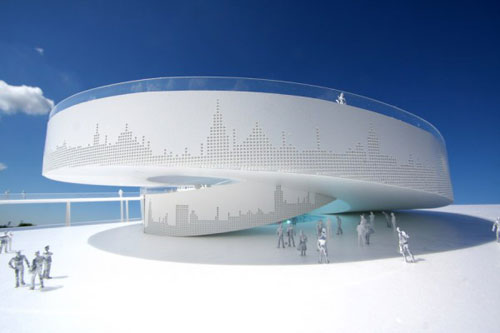
Danish Pavilion – Shanghai, China
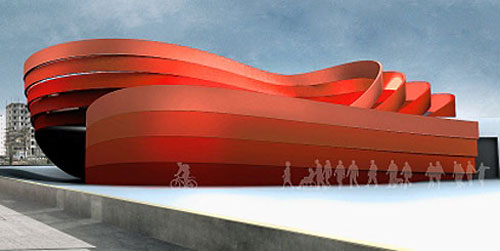
Design Museum – Holon, Israel
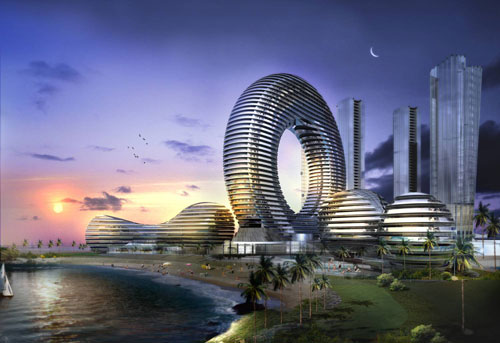
Promenade Hotel – Dubai, UAE
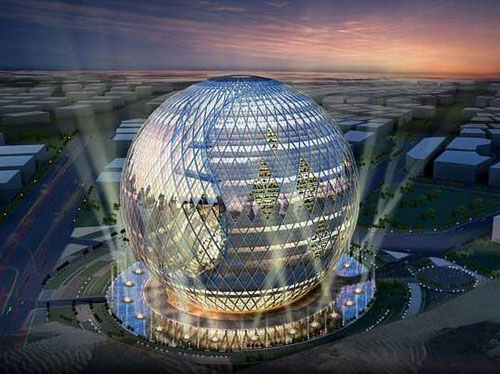
Technosphere – Dubai, UAE
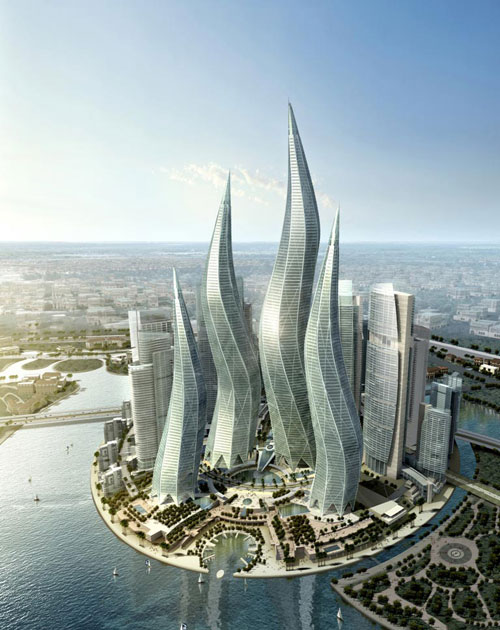
Dubai Towers – Dubai, UAE
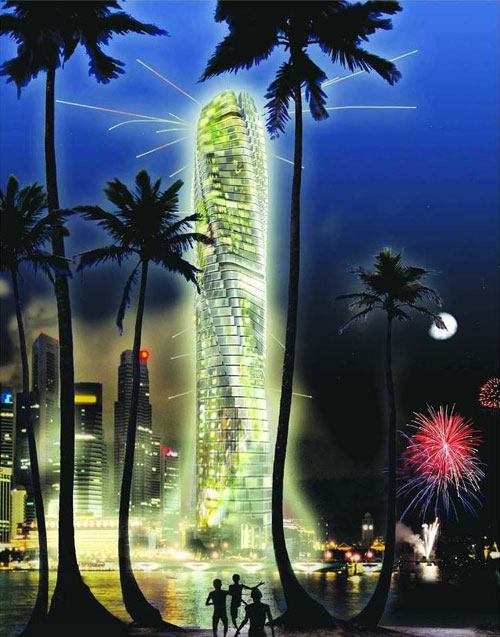
Dynamic Tower – Dubai, UAE
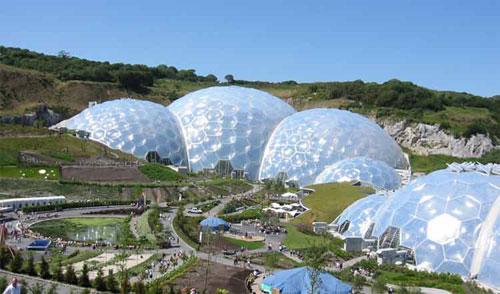
Eden Project – Cornwall, UK
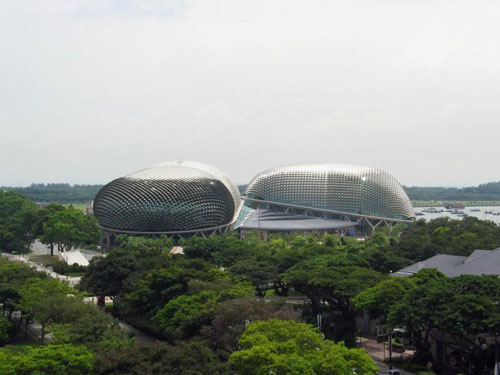
Esplanade Theatres – Singapore
Experience Music Project – Seattle, USA
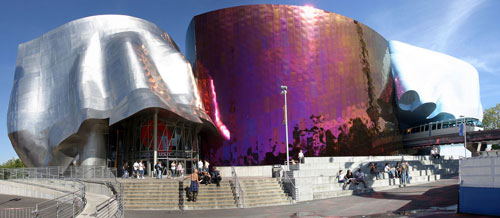
Frame Hotel – Dubai, UAE
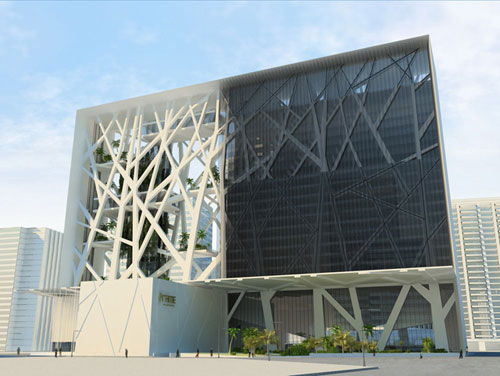
Frederick R. Weisman Art Museum – Minneapolis, USA
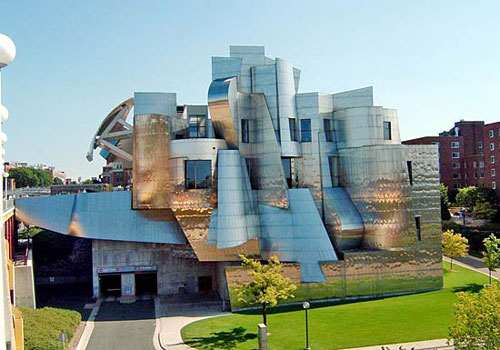
Futuristic Building – China
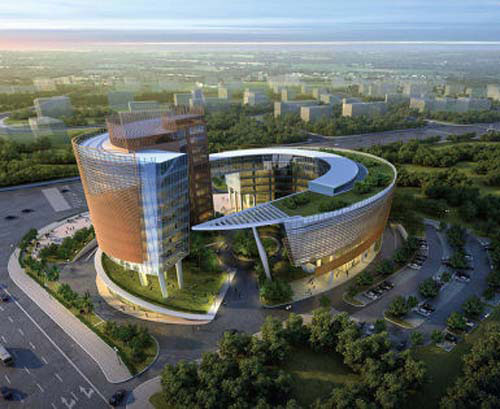
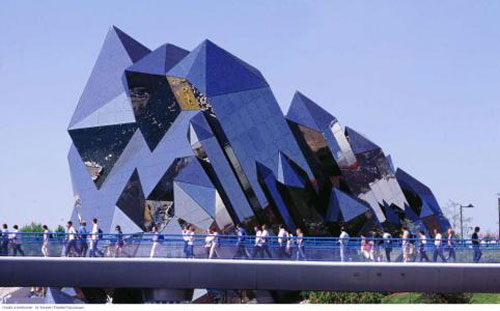
Futuroscope – Poitiers, France
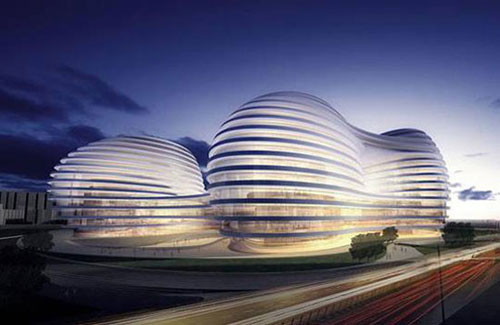
Galaxy Soho – Beijing, China
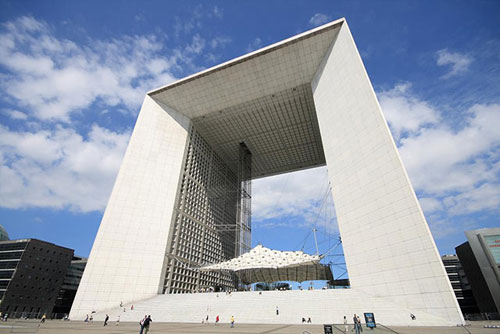
Great Arch of Defense – Paris, France
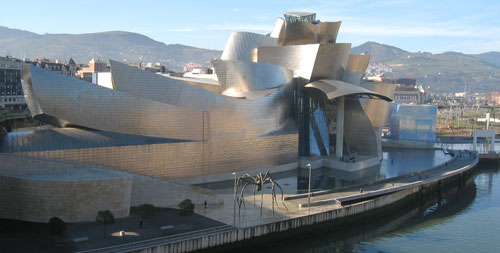
Guggenheim Museum – Bilbao, Spain
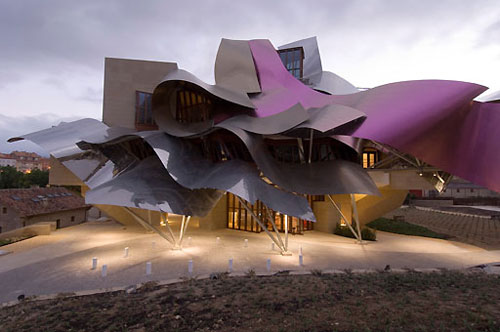
Hotel Marques De Riscal – Elciego, Spain
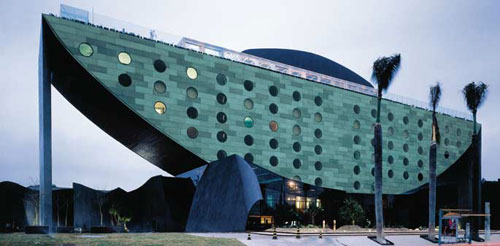
Hotel Unique – Sao Paolo, Brasil
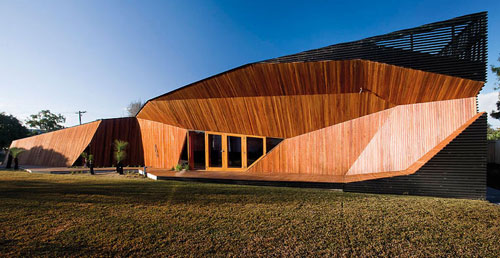
House – Bairgowrie, Australia
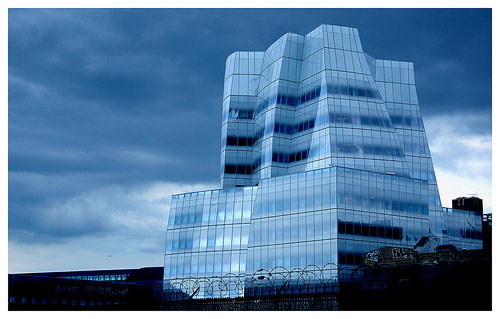
IAC Building – New York, USA
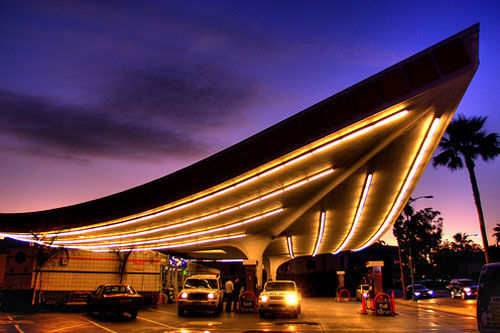
Jack Colker Union 96 Station – Beverly Hills, USA
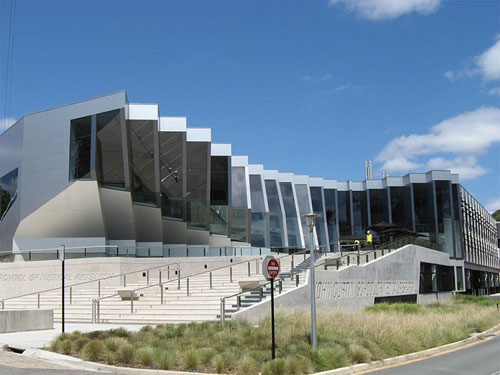
John Curtin School of Medical Research – Canberra City, Australia
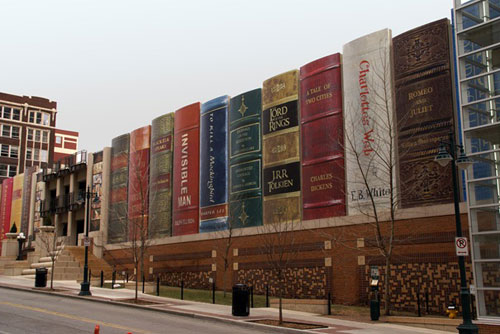
Kansas City Public Library – Missouri, USA
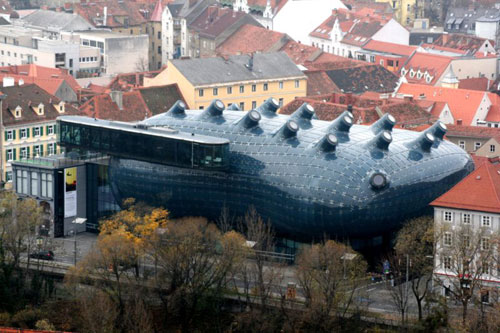
Kunsthaus – Graz, Austria
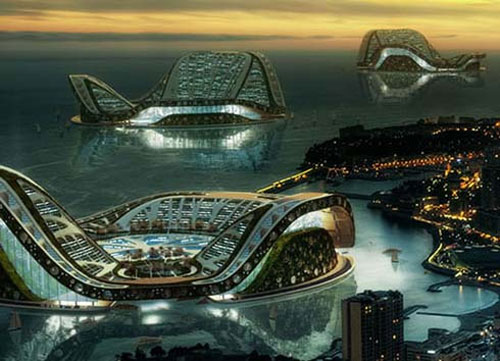
Lilypad
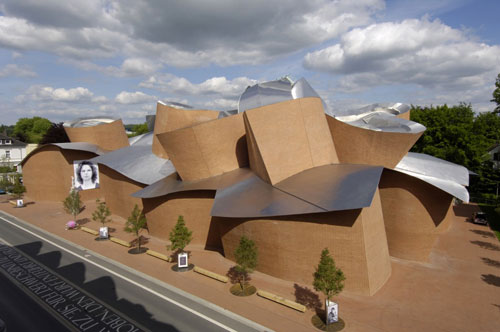
MARTa Herford – Herford, Germany
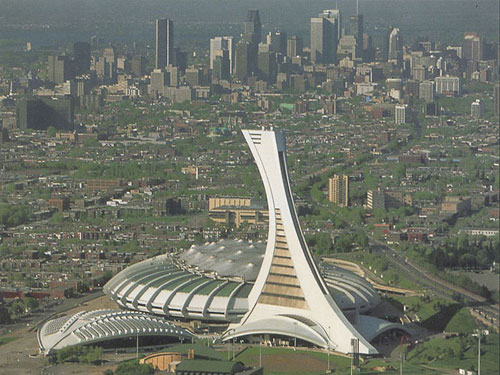
Olympic Stadium – Montreal, Canada
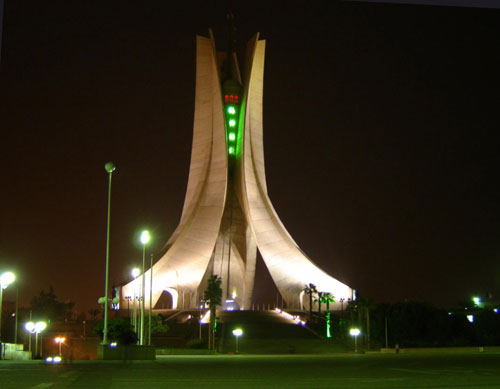
Monument des Maryrs – Algiers, Algeria
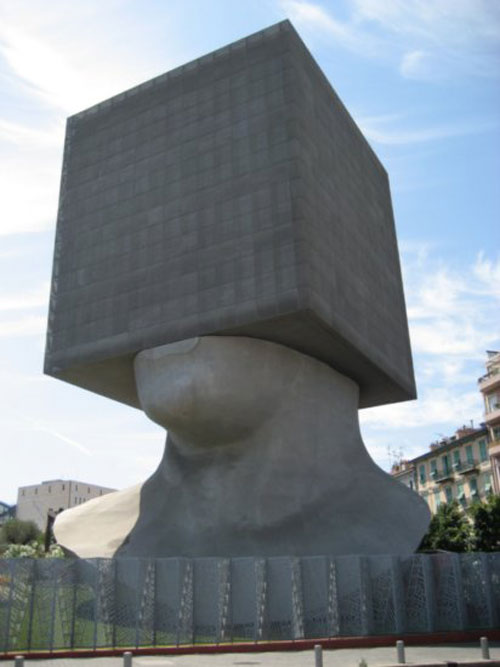
Museum of Contemporary Art – Nice, France
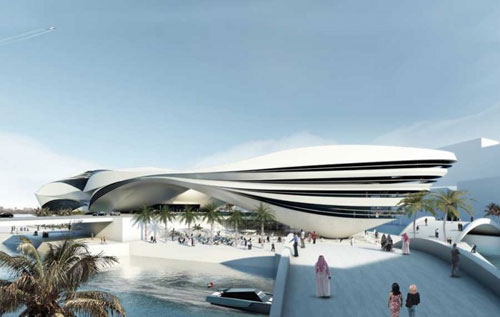
Museum of Middle Eastern Modern Art – Dubai, UAE
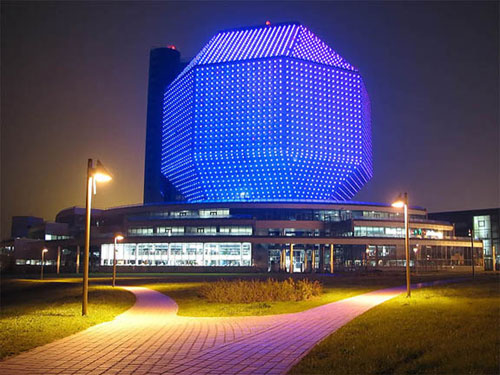
National Library – Minsk, Belarus
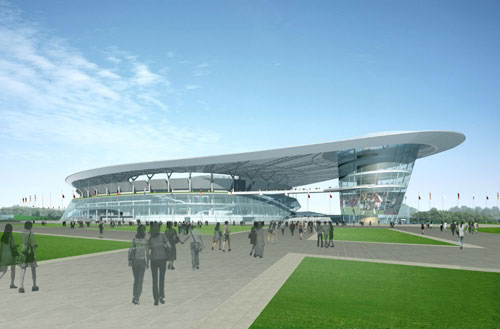
National Stadium Proposal – Beijing, China
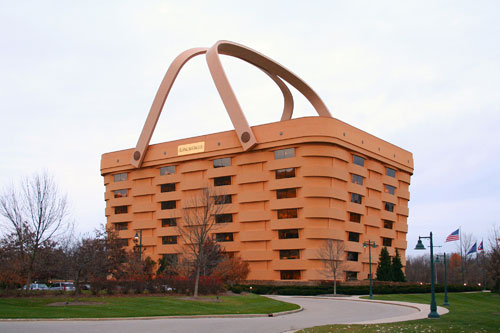
Longaberger Headquarters – Newark, USA
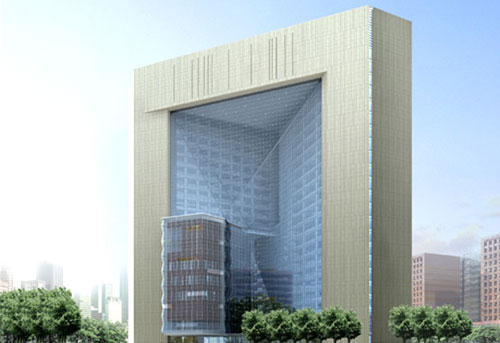
New Poly Plaza – Beijing, China
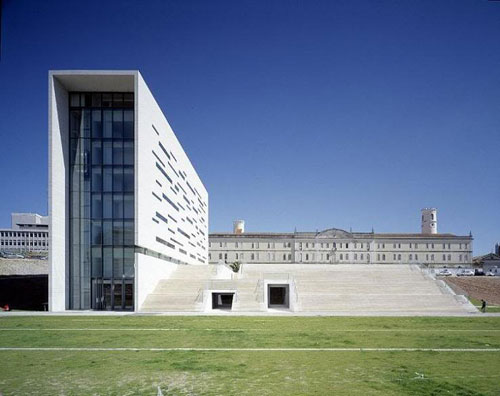
Nova University – Lisbon, Portugal
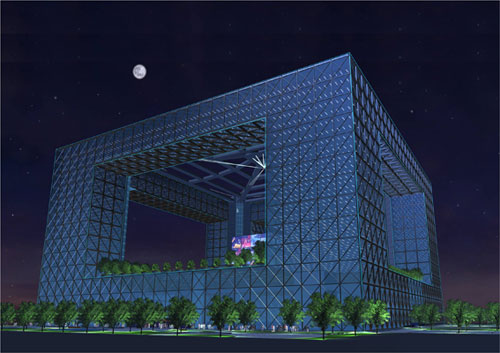
Office/Hotel Building – Beijing, China
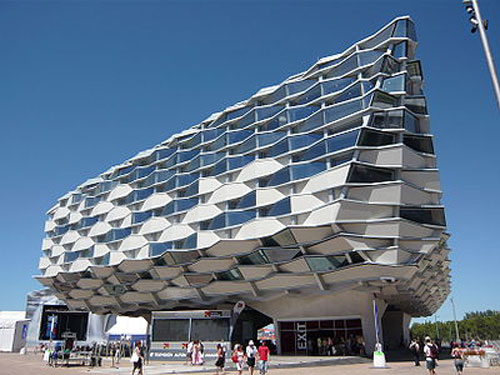
Pabellon de Aragon – Zaragoza, Spain
Palm Jebel Ali – Dubai, UAE
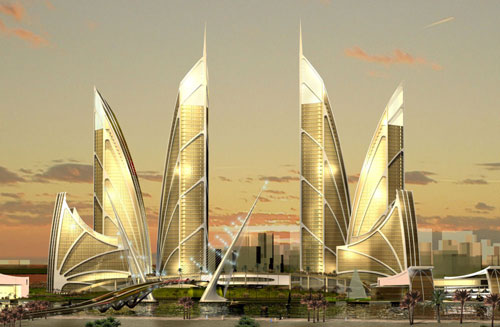
Park Gate – Dubai, UAE
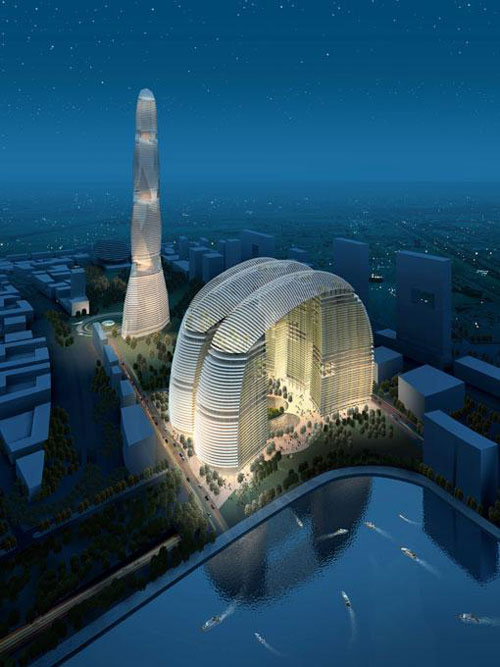
Parkview – Beijing, China
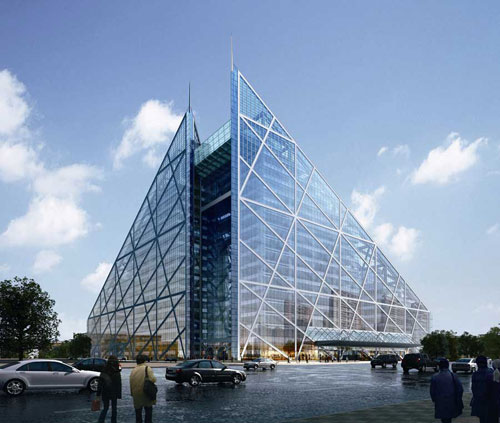
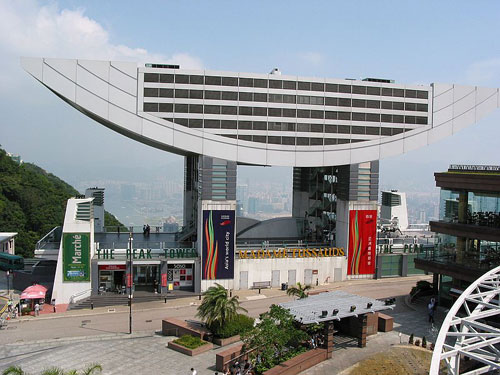
Peak Tower – Hong Kong
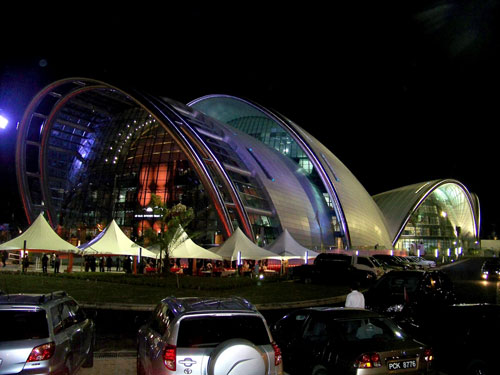
National Performing Arts Center – Port of Spain, Trinidad & Tobago
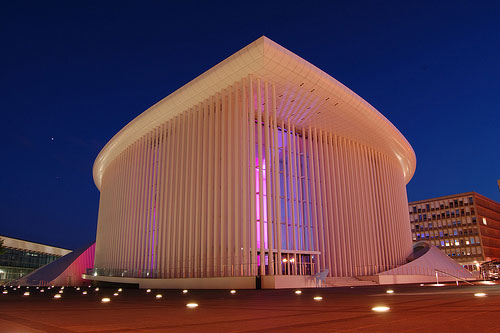
Philharmonie – Luxembourg
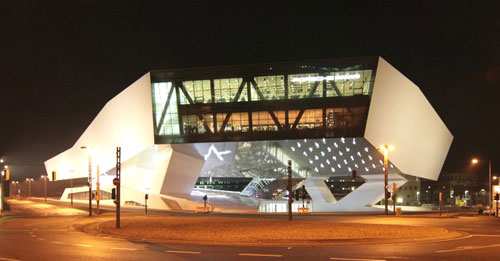
Porsche Museum – Stuttgart, Germany
Prestige Mall – Istanbul, Turkey
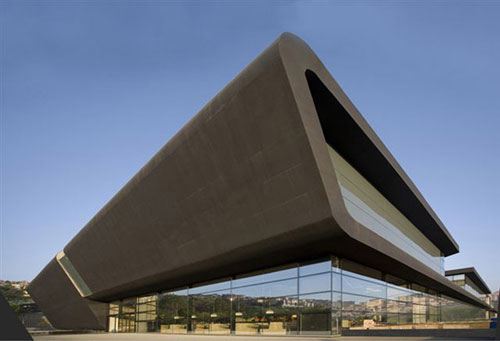
Putrajaya Waterfront – Putrajaya, Malaysia
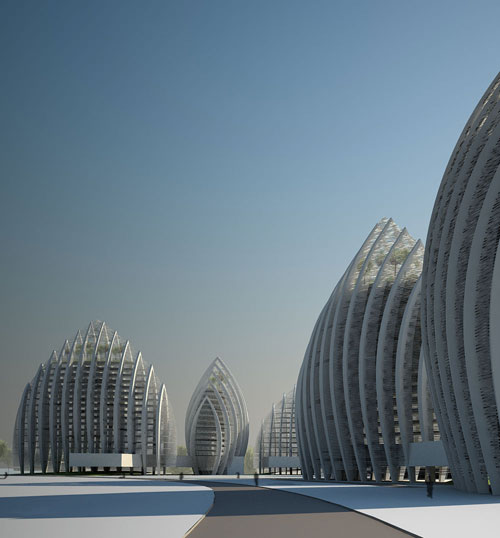
Raffles – Dubai, UAE
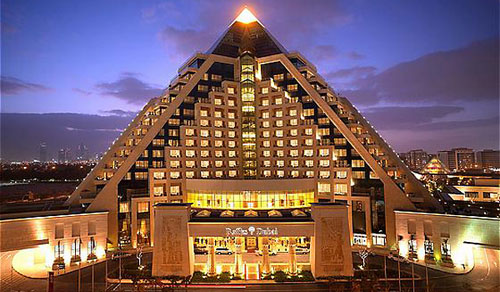
Museum of Contemporary Arts – Rio de Janeiro, Brasil
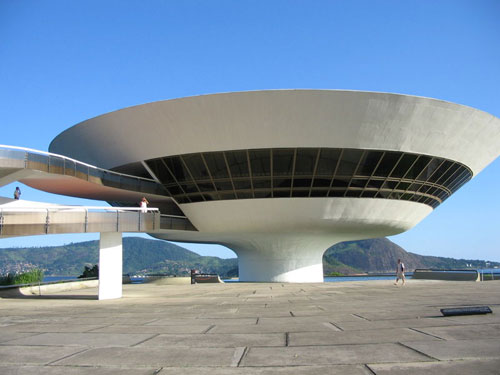
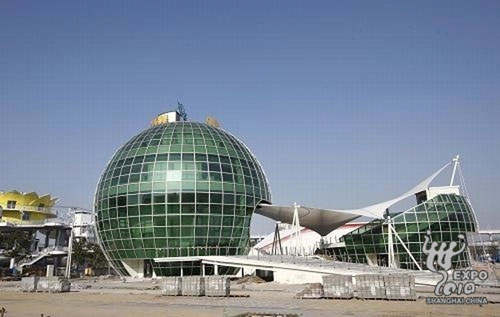
Romanian Pavilion – Shanghai, China
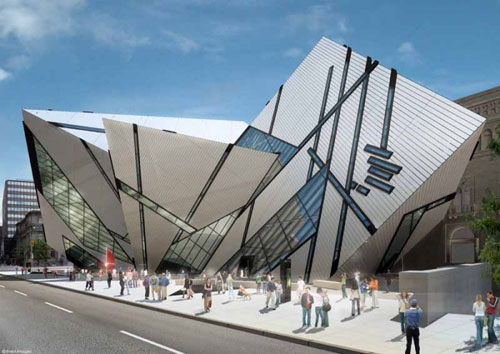
Royal Ontario Museum – Ontario, Canada
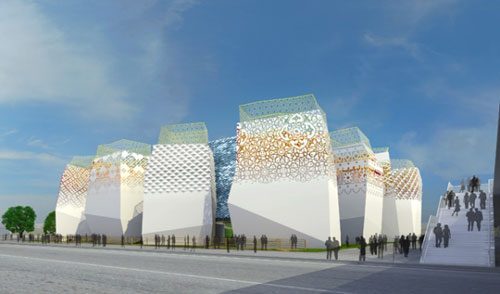
Russian Pavilion – Shanghai, China
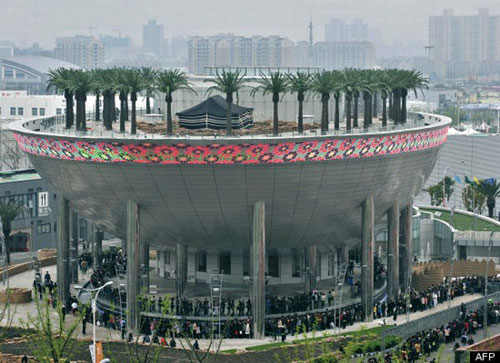
Saudi Arabian Pavilion – Shanghai, China
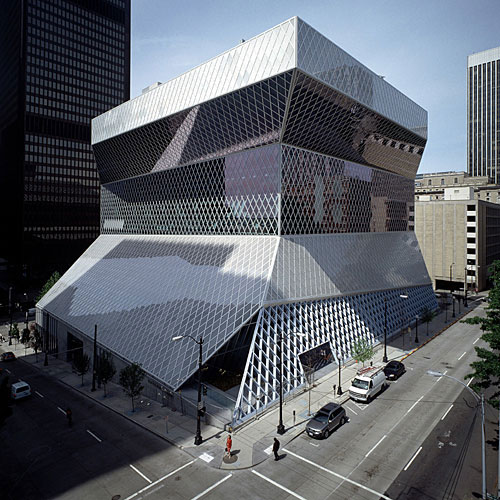
Central Library – Seattle, USA
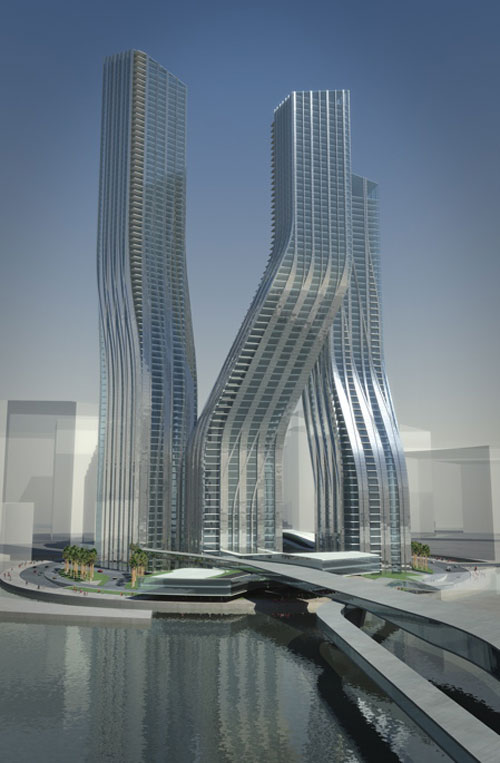
Signature Towers – Dubai, UAE
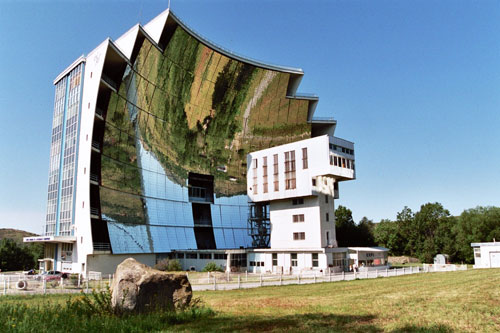
Solar Furnace – Odeillo, France
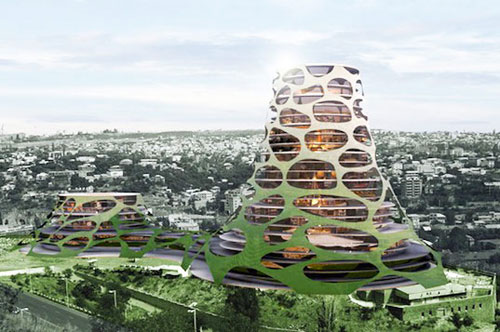
Solar Powered Volcano Tower
Spaceport – Singapore
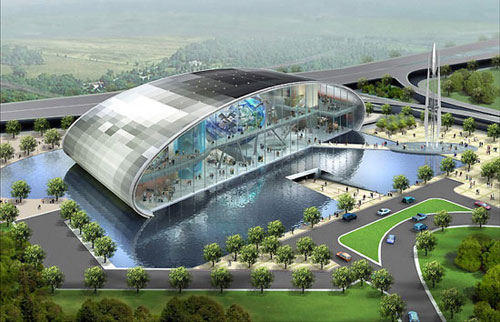
Swiss Pavilion – Shanghai, China
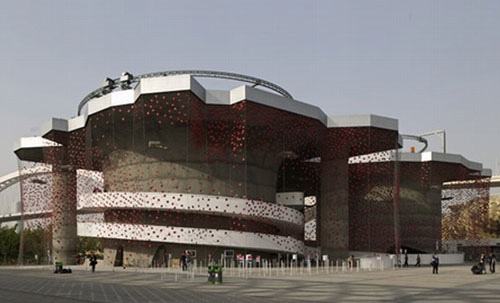
Opera House – Sydney, Australia
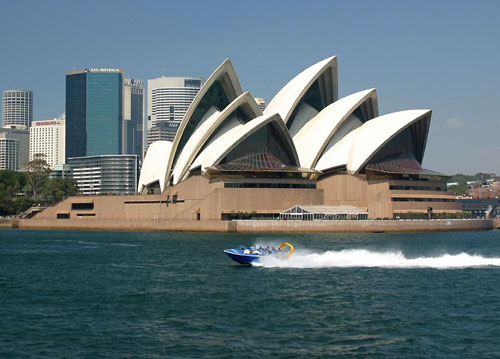
Television Cultural Center – Beijing, China
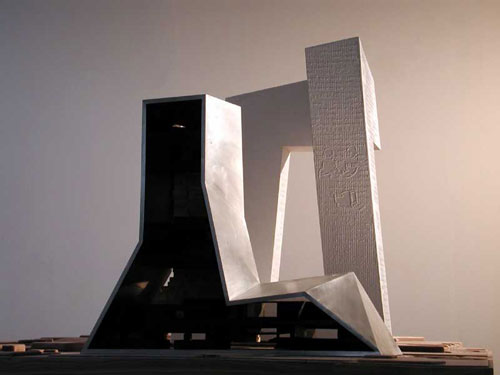
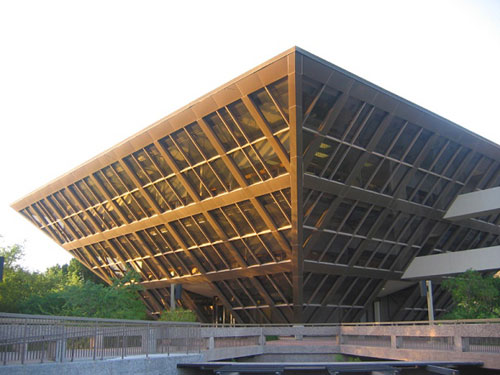
Tempe Municipal Building – Arizona, USA
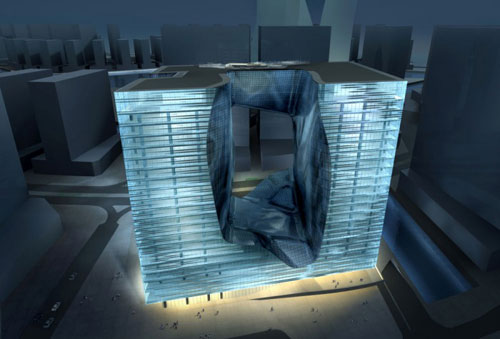
The Opus – Dubai, UAE
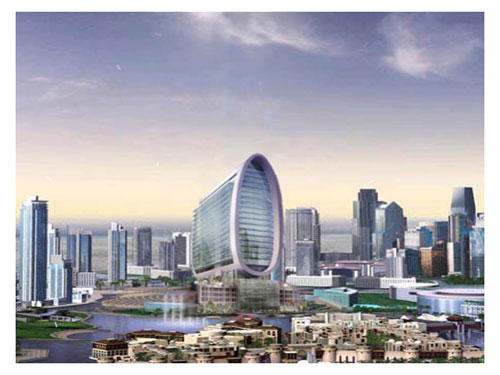
The Oval Tower – Dubai, UAE
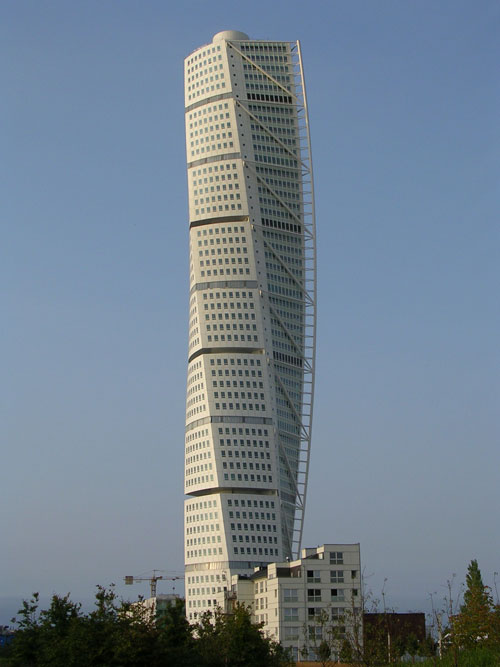
Turning Torso – Malmo, Sweden
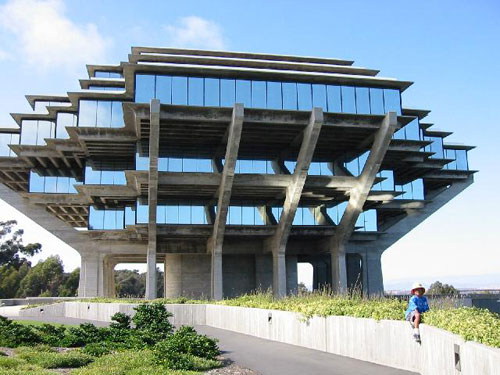
UCSD Geisel Library – San Diego, USA
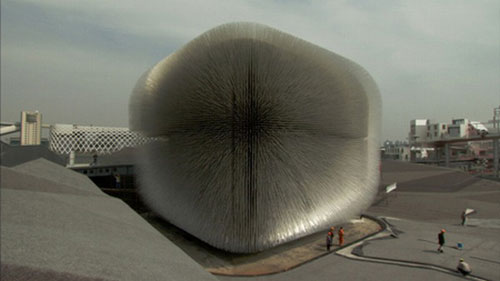
UK Pavilion – Shanghai, China
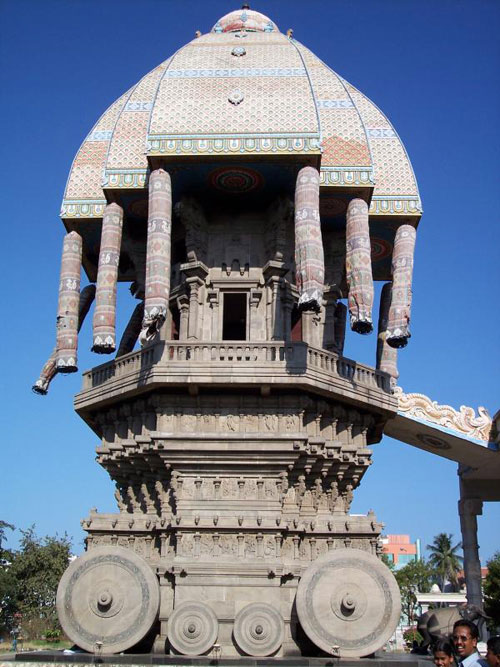
Valluvar Kottam – Chennai, India
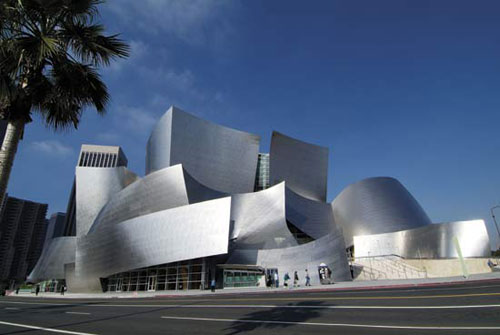
Walt Disney Concert Hall – Los Angeles, USA
Oceanic Pavilion – Yeosu, South Korea
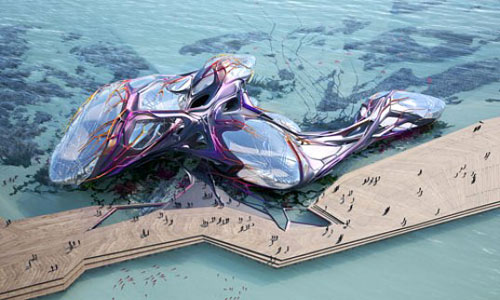
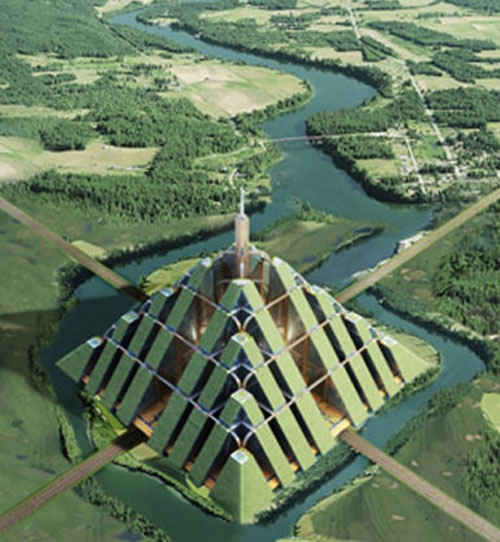
Ziggurat – Dubai, UAE
FAQ about futuristic building designs
What materials are used in futuristic buildings?
Well, that’s an interesting question! Futuristic building materials often include advanced composites, like carbon fiber and nanomaterials, or even biodegradable materials made from recycled waste. These materials offer incredible strength, flexibility, and sustainability. For energy efficiency, you’ll find smart glass and solar panel-integrated facades. It’s an amazing world out there, with innovations happening all the time!
How do futuristic building designs impact the environment?
Let me tell you something. The impact of futuristic building designs on the environment is generally positive! They incorporate energy-saving technologies and sustainable materials that reduce carbon emissions and energy consumption. The designs also focus on water conservation, waste management, and improving indoor air quality. I’ve seen some fantastic examples of green roofs and vertical gardens, which help absorb CO2 and reduce urban heat islands.
Are futuristic buildings more expensive to construct?
Oh, man, the cost question. Here’s the thing: It’s true that futuristic buildings can be more expensive initially due to their cutting-edge technologies and materials. However, their energy efficiency and reduced maintenance costs can offset these higher upfront costs in the long run. It’s important to remember that investing in sustainable and future-proof buildings is a smart choice for the environment and the economy!
What role does technology play in futuristic building designs?
You know what? Technology plays a significant role in futuristic building designs. It’s all about integrating smart systems for climate control, lighting, and security, as well as employing energy-efficient solutions like solar panels and wind turbines. Additionally, you’ll see some fantastic innovations, such as 3D-printed components and robotic construction methods. Technology is always pushing the boundaries, and it’s pretty exciting stuff!
How do futuristic buildings address safety concerns?
Safety first, right? Futuristic buildings are designed with safety in mind. They incorporate advanced fire-resistant materials, earthquake-resistant structures, and state-of-the-art security systems. In addition, many of these buildings use smart sensors to monitor air quality, structural integrity, and other potential hazards. It’s all about making sure that people can live and work in these spaces without worry.
How do futuristic building designs impact urban planning?
Futuristic building designs have a profound impact on urban planning. They promote compact and vertical development, which can help address issues like overcrowding and limited land availability. Furthermore, these designs often focus on creating mixed-use spaces, promoting walkability, and improving public transportation. The goal is to create more sustainable and livable cities for everyone.
Can existing buildings be retrofitted with futuristic features?
Great news! The answer is yes. Existing buildings can be retrofitted with many futuristic features, such as energy-efficient windows, solar panels, or green roofs. Additionally, smart systems for climate control, lighting, and security can be added to improve the building’s performance. It’s all about finding creative ways to bring older structures into the future.
How do futuristic building designs contribute to human well-being?
Let me tell you, the human factor is essential. Futuristic building designs contribute to human well-being by providing comfortable, healthy, and inspiring environments. They emphasize natural light, clean air, and green spaces, which can improve mood and productivity. Plus, these designs often promote social interaction and foster a sense of community. It’s about creating spaces that people love!
How do architects come up with futuristic building designs?
Ah, the creative process! Architects draw inspiration from various sources, such as nature, art, or even science fiction, when designing futuristic buildings. They also collaborate with engineers, urban planners, and other experts to develop innovative solutions that address environmental, social, and economic challenges. The goal is to create structures that are both aesthetically pleasing and functional. It’s a mix of imagination, research, and collaboration that leads to these fantastic designs.
What are some iconic examples of futuristic building designs?
Oh, there are so many incredible examples! Some iconic futuristic buildings include the Apple Park in Cupertino, California, with its spaceship-like design and focus on sustainability; the Gardens by the Bay in Singapore, which features enormous, tree-like structures and a stunning conservatory; and the Burj Khalifa in Dubai, the world’s tallest building, showcasing amazing feats of engineering. These buildings truly capture the essence of what futuristic design is all about!

Renowned for his expertise in logo design and visual branding, Bogdan has developed a multitude of logos for various clients.
His skills extend to creating posters, vector illustrations, business cards, and brochures. Additionally, Bogdan's UI kits were featured on marketplaces like Visual Hierarchy and UI8.
He also wrote in the past years on sites like Design Your Way, WebDesignerDepot, WPDean, Designmodo, Speckyboy, Slider Revolution, and more.
- The Airtable Logo History, Colors, Font, And Meaning - 12 July 2026
- How to Blur Background in Canva: A Quick Tutorial - 11 July 2026
- Typography Trends - 10 July 2026

Bogdan Sandu is a seasoned designer who has been designing websites since 2008. Renowned for his expertise in logo design and visual branding, Bogdan has developed a multitude of logos for various clients. His skills extend to creating posters, vector illustrations, business cards, and brochures. Additionally, Bogdan's UI kits were featured on marketplaces like Visual Hierarchy and UI8. He also wrote in the past years on sites like Design Your Way, WebDesignerDepot, WPDean, Designmodo, Speckyboy, Slider Revolution, and more.
You Might Also Like