Imagine a world where your cell phone unfolds into a tablet, or perhaps projects holographic displays right onto your wall.
The race for mobile innovation is more exciting than ever, with Samsung, Apple, and even Google Pixel at the forefront of cell phone concept examples. These advances are not just fantasy; they are prototypes exploring the future of mobile device prototypes and smartphone innovations.
The purpose of this article is to take you on a journey through the most groundbreaking handset concepts and futuristic designs poised to revolutionize wireless communication.
By the end, you’ll have a comprehensive understanding of the cutting-edge mobile designs, from foldable screens to AR and VR capabilities.
This piece sets the stage for an up-close look at tomorrow’s concept phones. Get ready to delve into a world where imagination meets innovation.
Awesome cell phone concepts
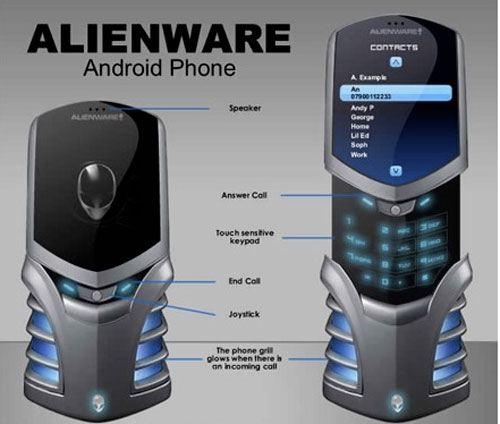
Alienware Android Phone Concept
The combination of Alienware’s gaming features and the flexibility of the Android platform is somehow the ideal phone for a gamer. However, as cool and interesting it might look, it is not likely that it would ever be created.
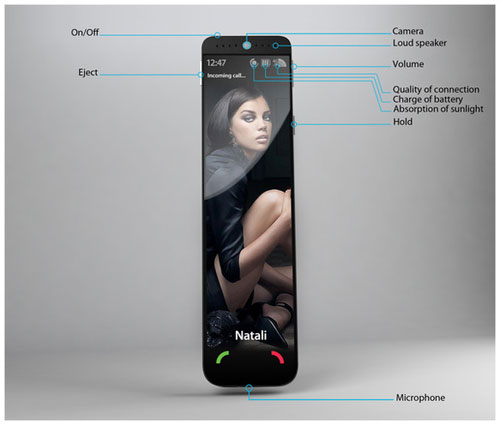
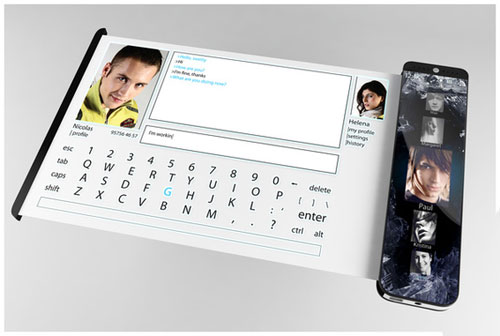
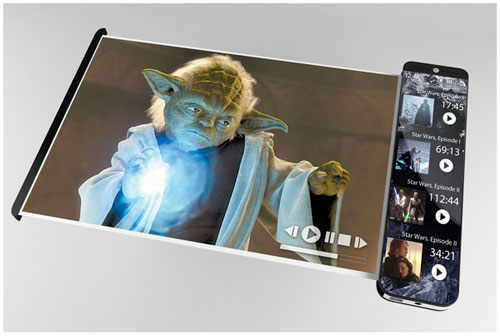
Mobile script
A contemporary mobile phone must maintain such functions as: mobility, constant Internet access, access to the documents, games and to give the best possibilities and means of communication and contact. A new generation mobile phone “Mobile script” gives all these possibilities.
AQUA
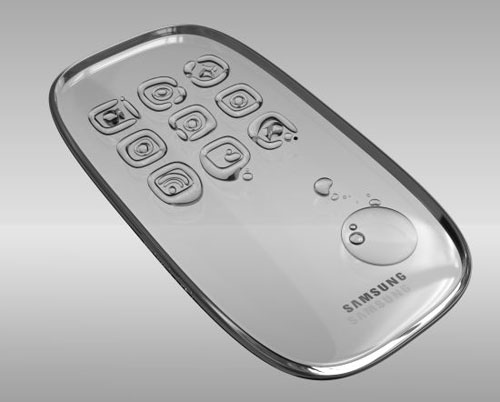
The water based cellphone AQUA created by Bon Seop Ku has, if you had doubts about it, a graphical UI and water display. The funny thing about it is that you can remove icons from the display by simply rubbing them. Besides this, it is known about it that it has a different battery than we are used to, a liquid type one.
Bend Mobile
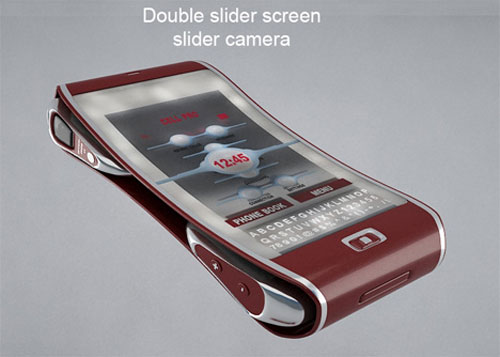
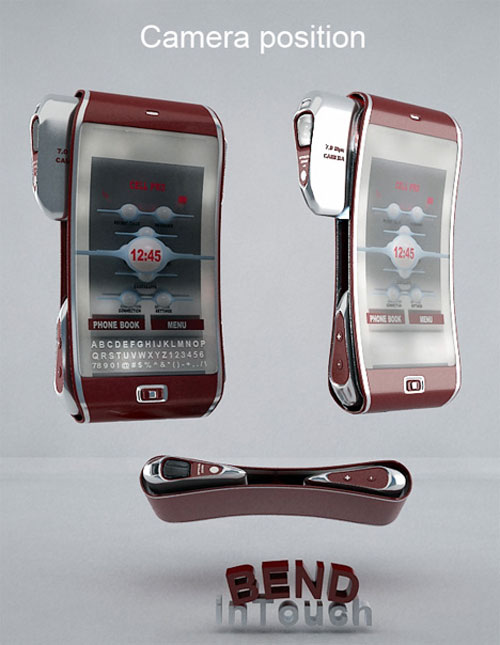
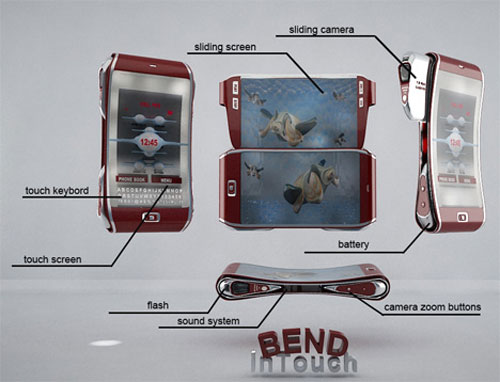
The Bend Mobile concept by Andy Kurovets gives us the possibility to have two screens in one phone. The design is also something quite interesting, having an interesting but not exaggerated shape.
Blackberry Empathy
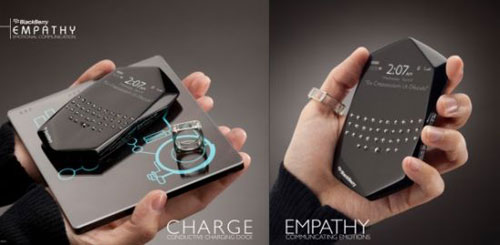
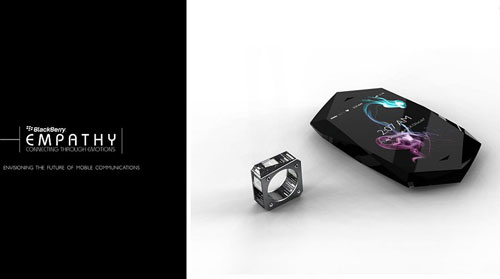
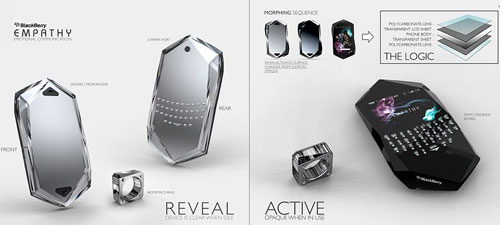
This Blackberry Concept is different from the usual Blackberry phones that you see on the market, starting from the shape and ending with its innovative functions like translucent tactile keyboard, flexible OLED screen, double sided screen and slide-out keypad.
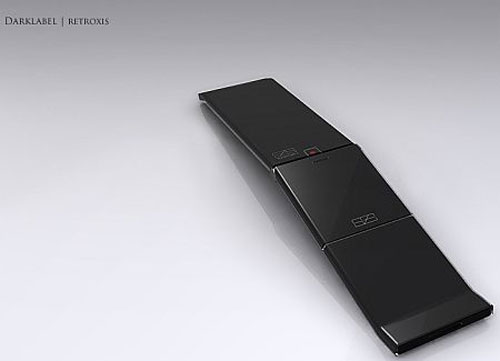
Black Label Retroxis
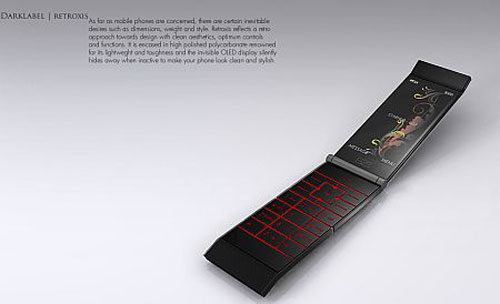
Although this concept was made a few years ago, it still looks pretty good, having a classy look and a more realistic design than others on this list.
Celsius X VI II
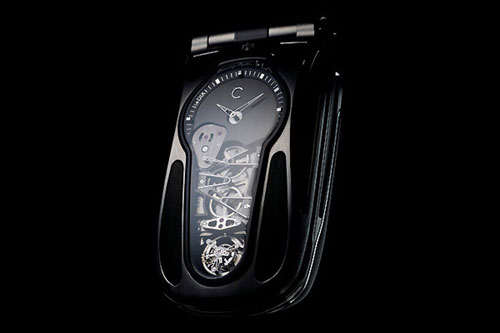
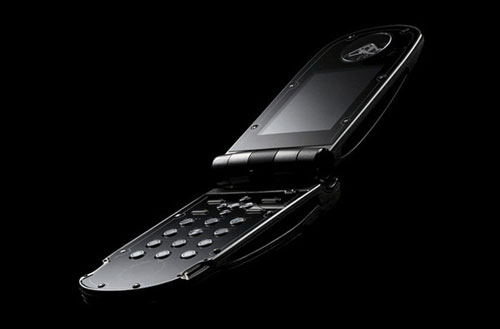
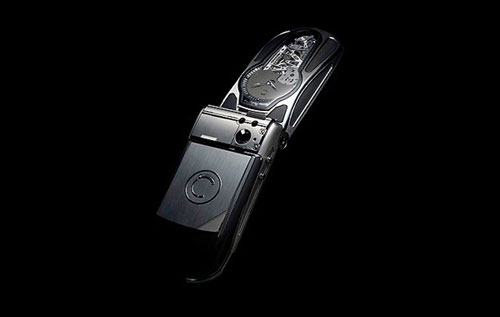
And here’s a concept phone that is created and available to buy. You might say that you could actually get this one and have it for yourself, right? Not quite. Its price is around $275.000.
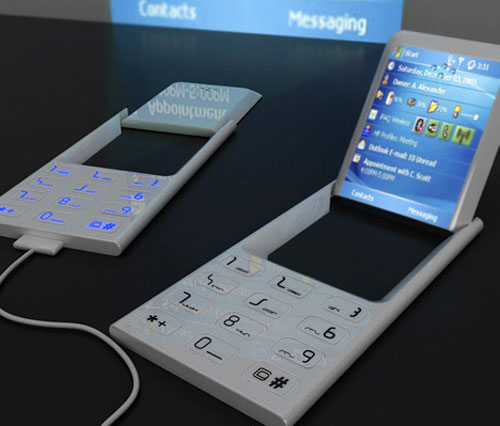
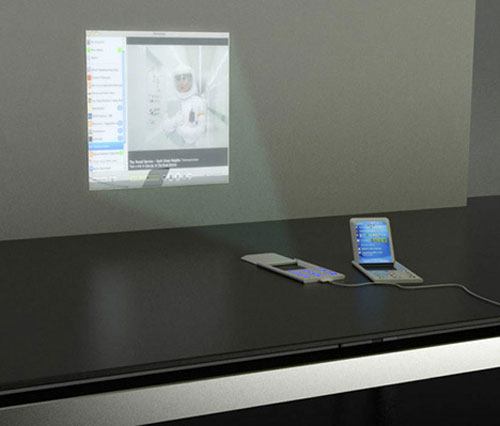
Concept Phone with Projector
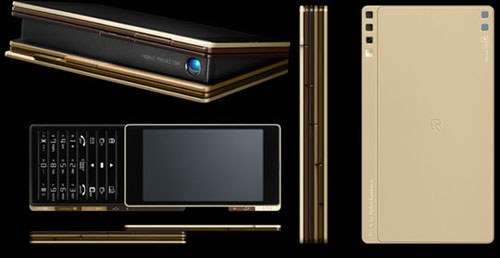
This phone is the gadget you need if doing presentations. You could save a lot of space with it and hold presentations almost wherever you want.
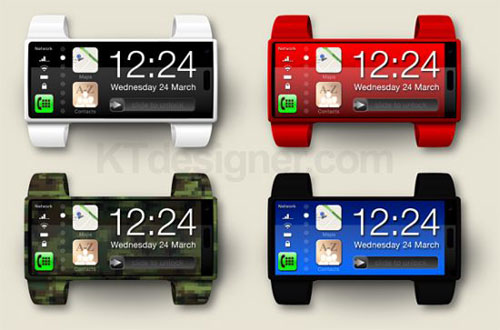
Finger Touching Wearable Mobile Phone
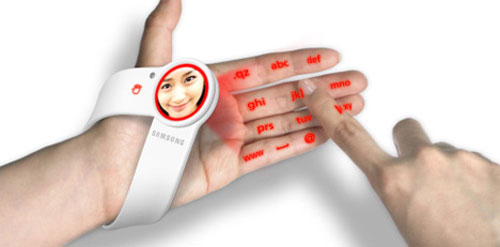
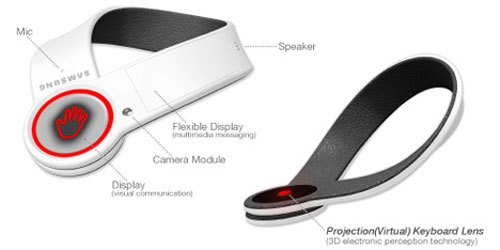
A wearable mobile device for enhanced chatting. It introduces a new wearable device that anyone can communicate with that is easier and lighter in mobile circumstances corresponding to the 3.5G, 4G communication standard. Human hand is the most basic communication method. For easier and simpler controls, it uses the instinctive input method “finger joint”. Excluding the thumb, each finger joint makes up twelve buttons, with “the knuckle button”, using the cell phone’s 3X4 keypad, likely being the most popular input method.
Kambala
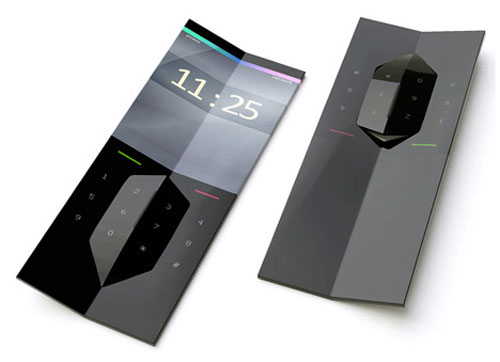
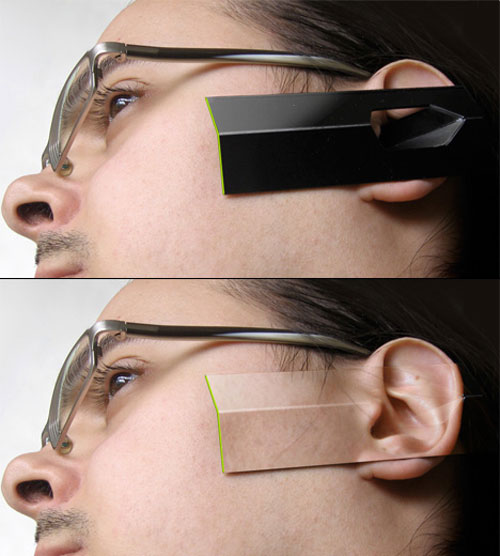
The main idea of the project is to combine a mobile phone and wireless headphones. Material – a multilayered polymer, in which all electronic components are located inside in the form of layers. If you squeeze the phone, then in his mid appears earpiece, which is inserted into the ear. Thus the mobile phone turns into a headset. The inner surface of the phone is a continuous flexible screen, as well as a layer of sensors, which transmit the image from inside the phone on the outside – there is a layer of paint that can take any color – just like a fish flounder. When you wear this headset is automatically masked in your head and almost disappears. Instead of the joystick – sensitive strip on the edge of petal headphones.
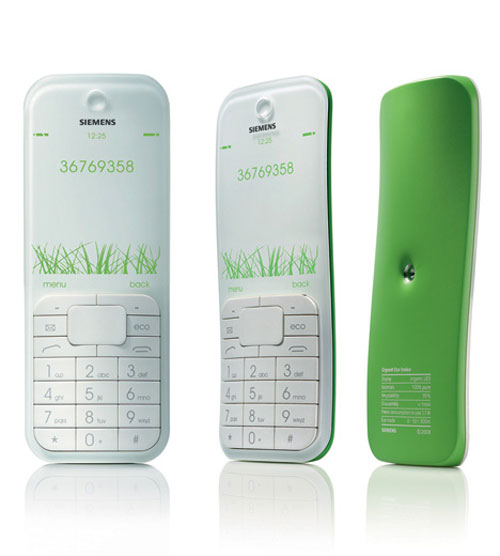
Leaf
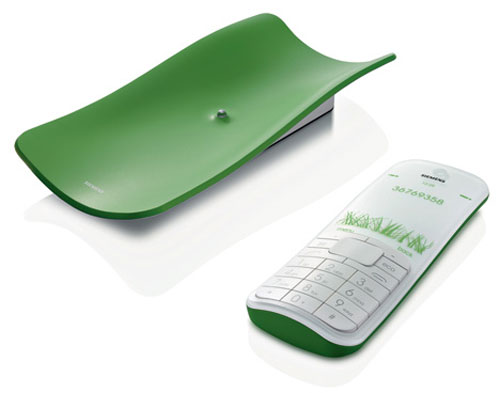
The name of this phone comes from its wonderful feature of harnessing solar energy through the solar cells that it incorporates on its front panel. With this one, you don’t have to worry too much about a low battery… if it’s sunny outside.
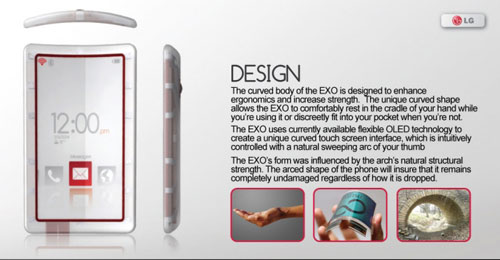
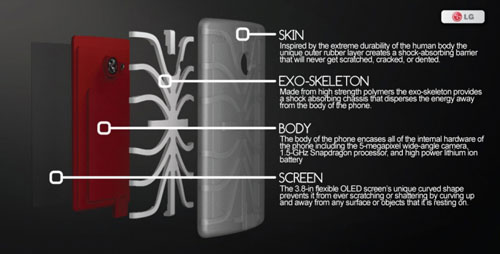
LG EXO
The EXO elegantly solves this by mimicking the natural durability of the human body. Similar to how the human body protects its internal organs with a complex skeletal system and resilient external skin, the EXO protects its delicate internal components with an external rubber skin and high strength exo-skeleton.
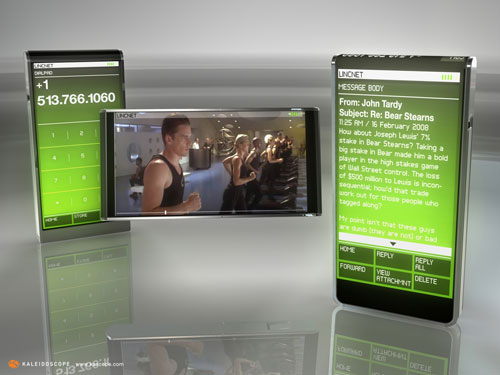
LINC
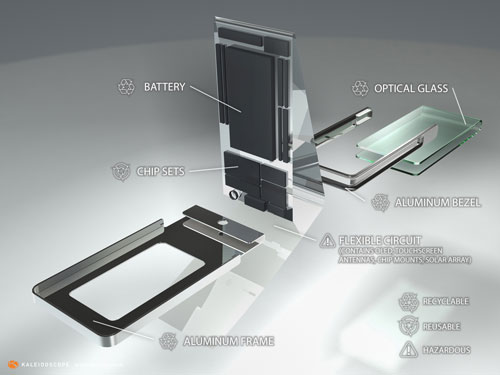
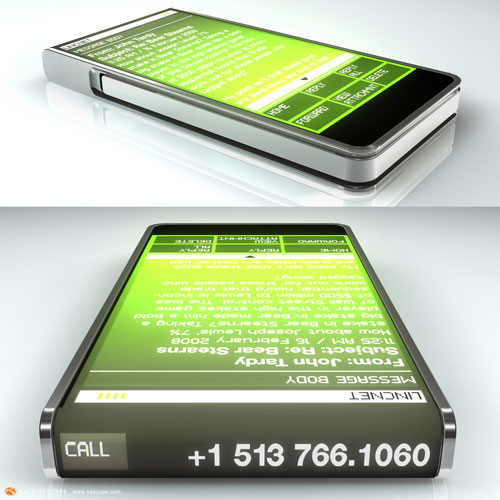
The challenge for this phone was to create a smart phone with all the connectivity and features you come to expect such as a cell phone, media player, web browser, GPS, downloadable content, Bluetooth, Wifi and the latest 3G network available as a service rather than a product.
The results are represented by less landfill waste. Consumers no longer have to purchase new phones each time there is an upgrade to the device. The user holds on to the LINC device for about a year, and when the next generation of hardware comes along, the user receives a new LINC in the mail. The previous LINC is harvested for valuable, reusable parts. All account details are handled wirelessly to ensure a smooth transition for the consumer between upgrades.
Mechanical Mobile
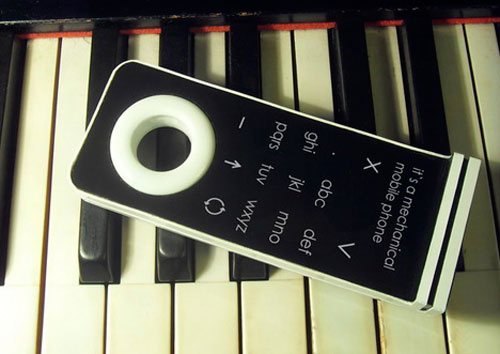
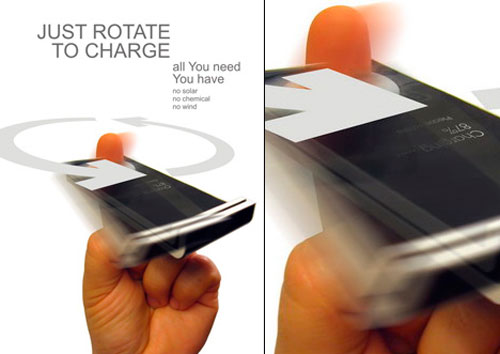
Mikhail Stawsky comes with an interesting idea of generating energy to charge this phones battery. Somehow looking like a stress ring, the phone is being recharged by turning your finger. Sounds like a pretty interesting idea… until you drop it a few times.
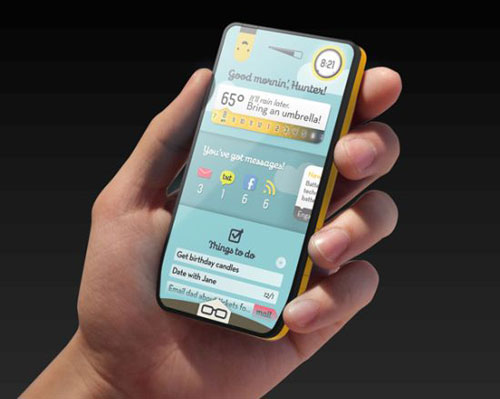
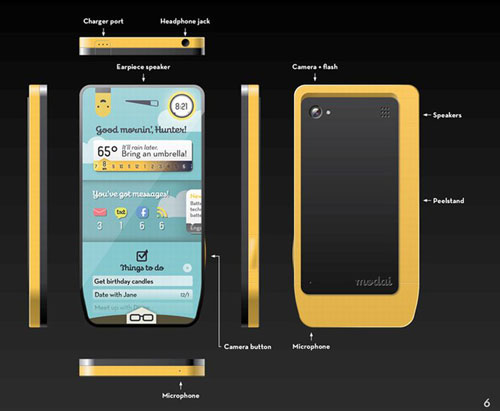
Modai
NEC Tag
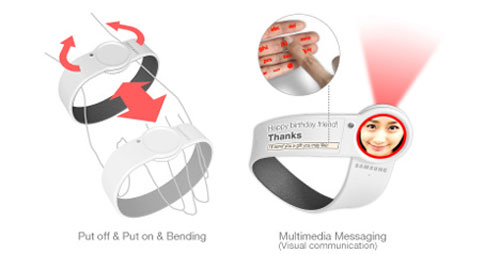
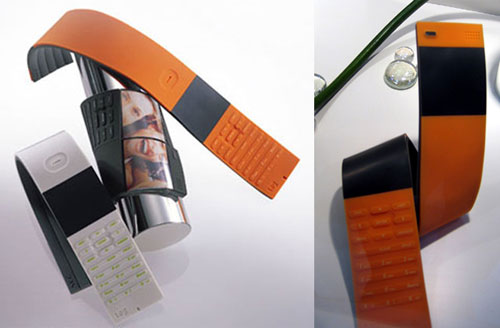
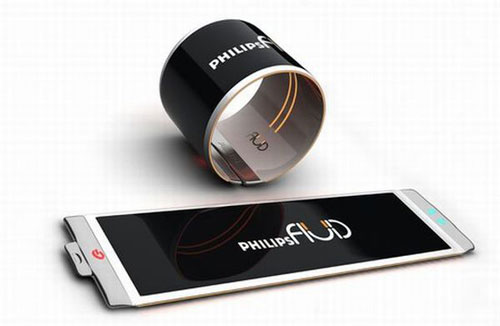
The armband or bracelet phones are becoming a trend because of the easy way you can carry them around and also because they can be seen as a fashion item. This phone from NEC, called Tag, is included in this trend, having the possibility to be bent and put around your arm because of its flexible material.
Nokia 888 Concept Phone
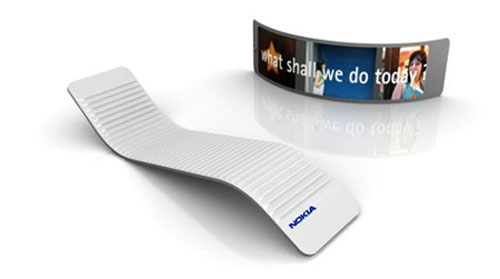
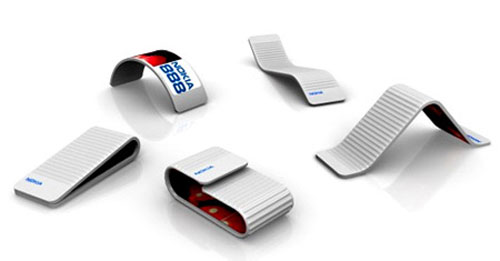
This phone concept is one of the first I’ve seen and at the time I gazed at as if I saw 50 years into the future. Although it has a futuristic idea, like any Nokia it is stylish and simple. You can change its shape depending on the function you want to use.
Nokia Aeon
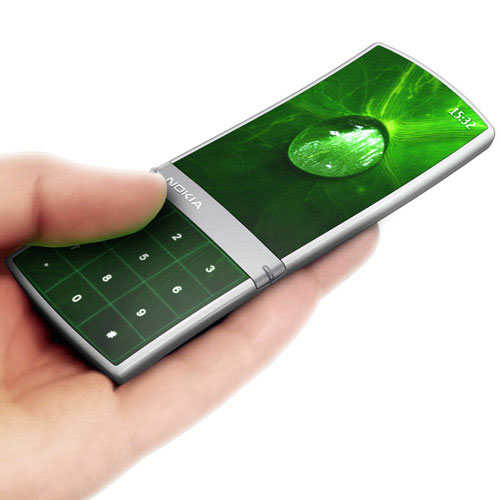
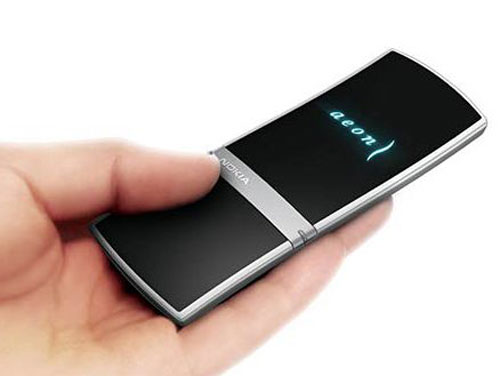
Aeon is a full surface touchscreen display phone, like we have a lot of phones today on the market. The thing is that this one was imagined almost five years ago.
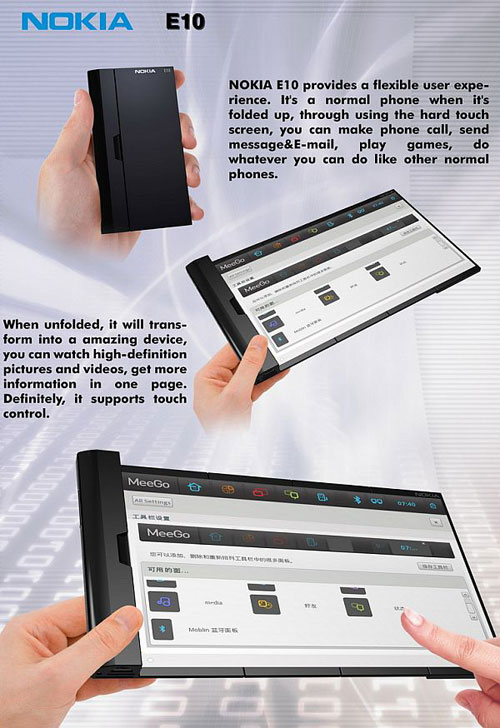
Nokia E10
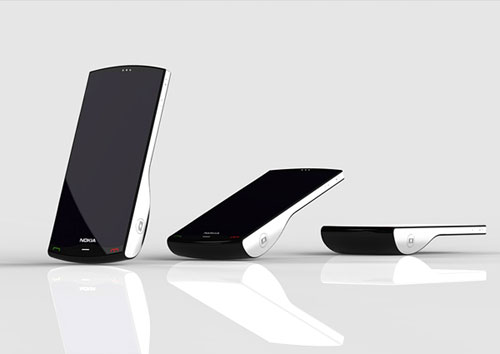
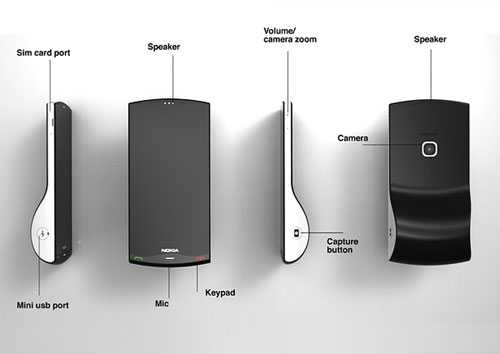
Nokia Kinetic
Nokia Morph
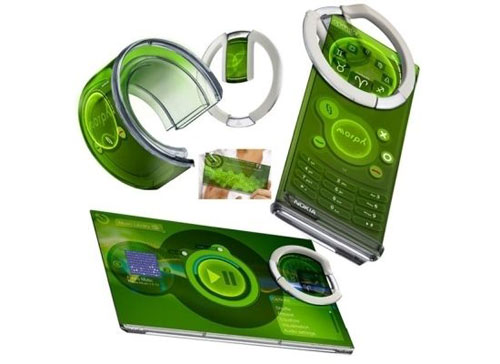
Launched alongside The Museum of Modern Art “Design and The Elastic Mind” exhibition, the Morph concept device is a bridge between highly advanced technologies and their potential benefits to end-users. This device concept showcases some revolutionary leaps being explored by Nokia Research Center (NRC) in collaboration with the Cambridge Nanoscience Centre (United Kingdom) – nanoscale technologies that will potentially create a world of radically different devices that open up an entirely new spectrum of possibilities.
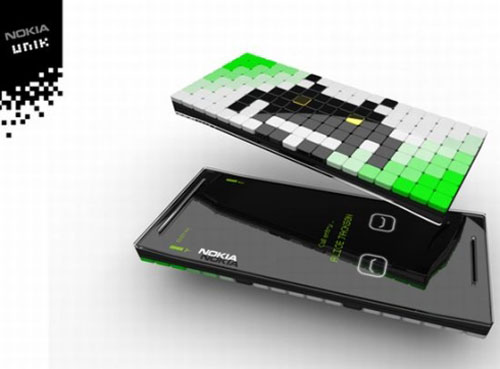
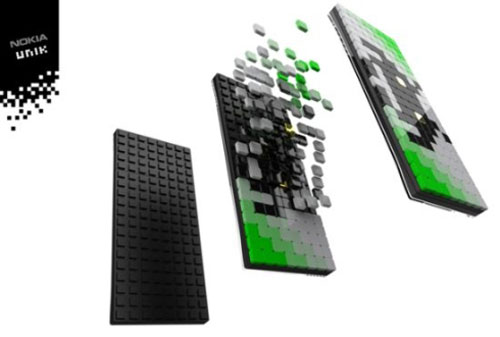
Nokia Unik
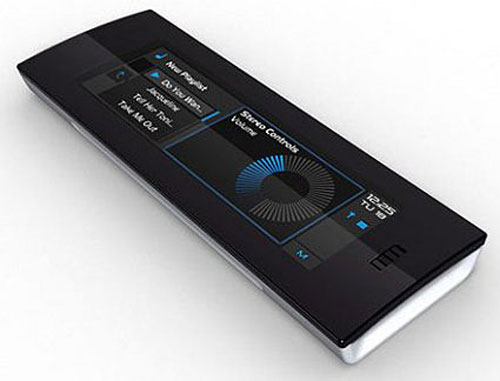
Onyx Concept Phone
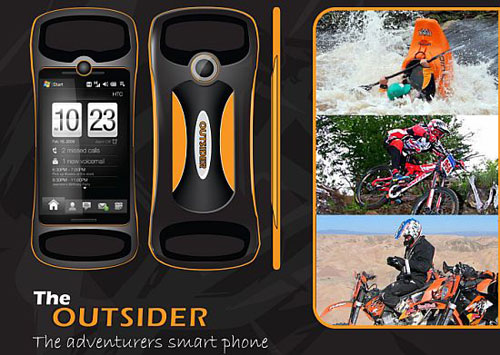
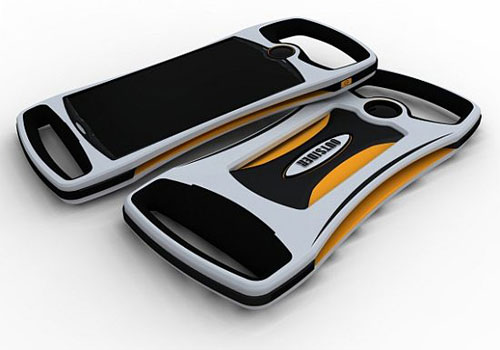
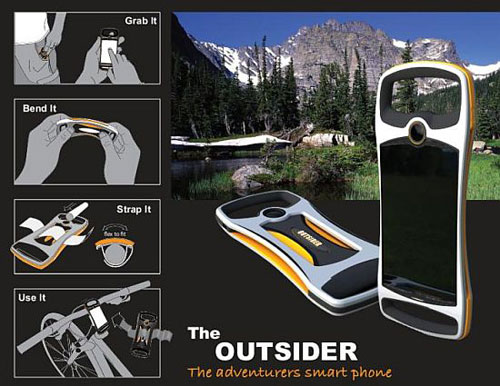
Outsider Concept Phone
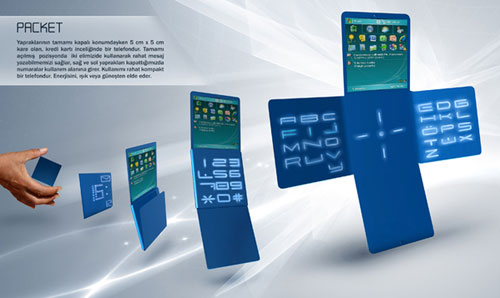
PACKET phone
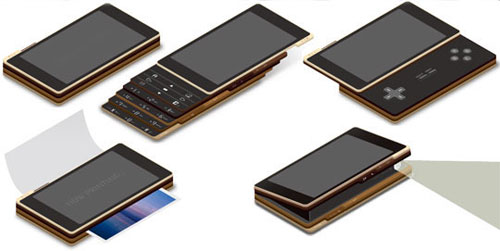
It is a cell phone concept that measures 5 cm x 5 cm, about half cigarette package when folded and when opened it reveals 5 surfaces with the keypad, display, 2 mini keyboards with letters, and the center face with touch-sensitive button areas. In fact, the entire cell phone is made of a material similar with the e-paper and is touch-sensitive. On the back it shows the time in large character format.
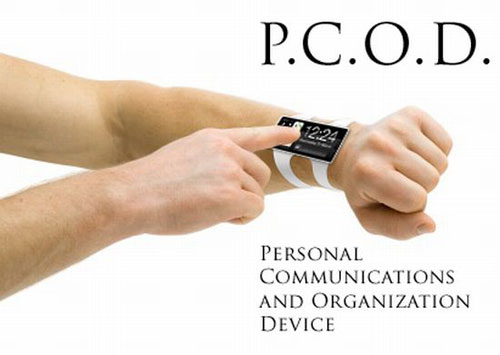
PCOD
Pen Phone
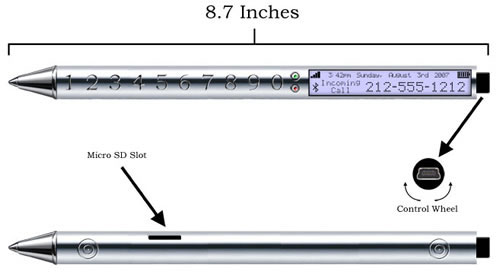
This concept phone may not seem the day-to-day phone to use, more likely a spy toolkit kind of phone but it’s good that something like this has been created at least as a project. Someone could find it useful.
Philips Fluid
Ply concept phone
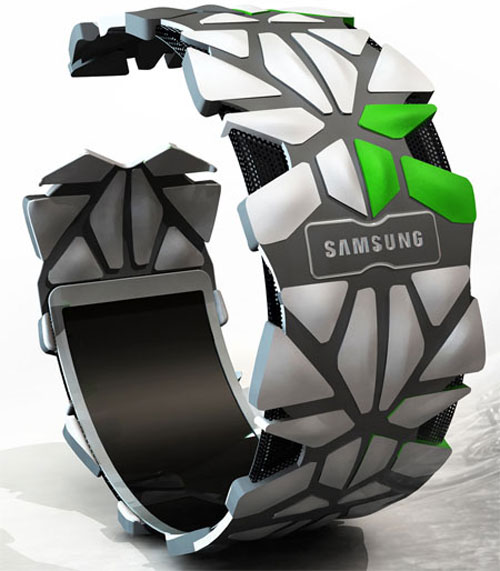
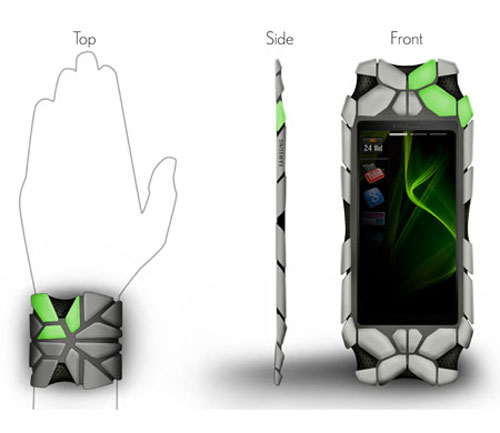
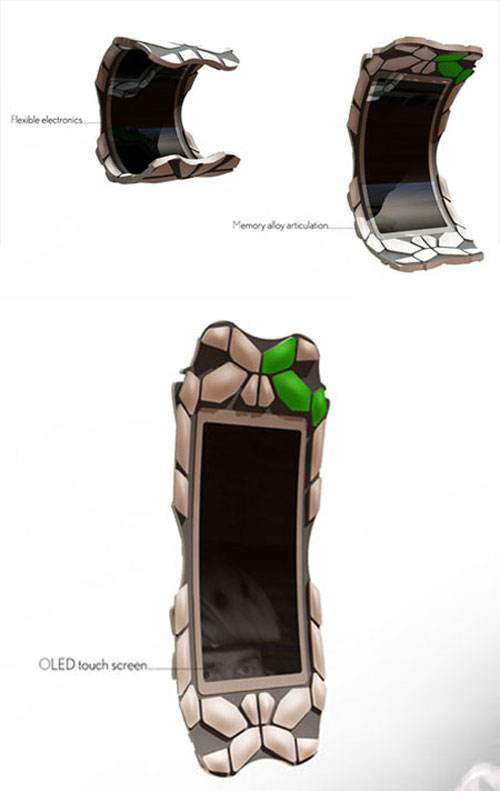
Samsung bracelet phone
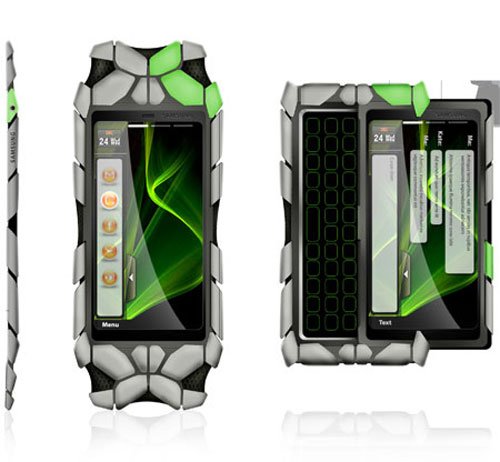
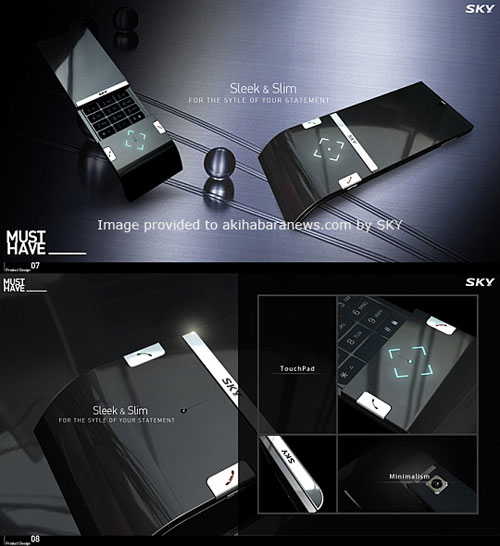
Sleek and Slim
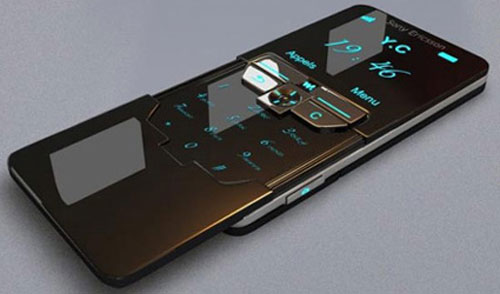
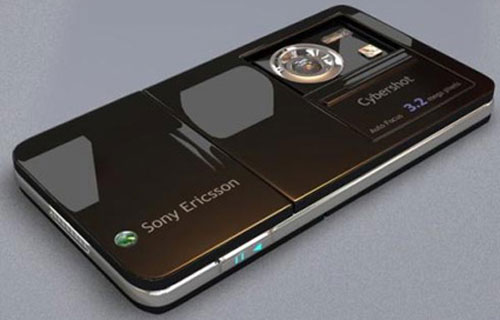
Sony Ericsson Concept Phone
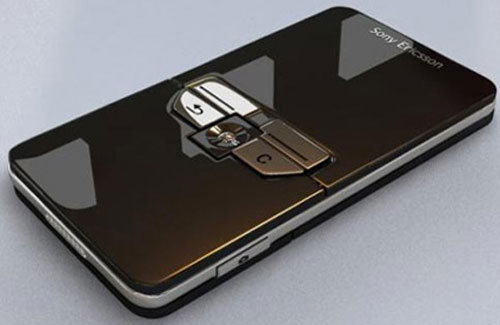
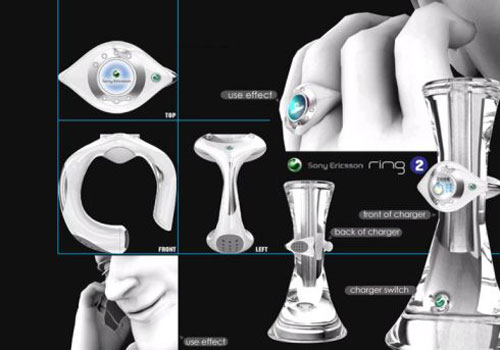
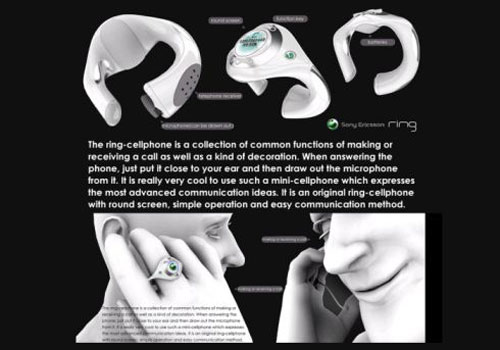
Sony Ericsson Ring Phone Concept
Sticky Phone
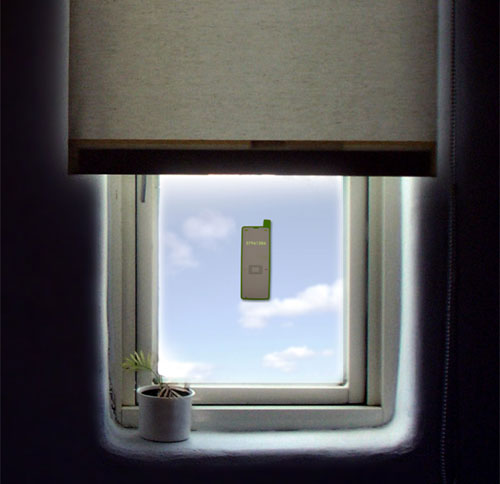
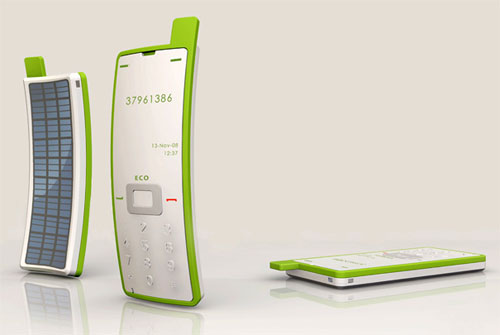
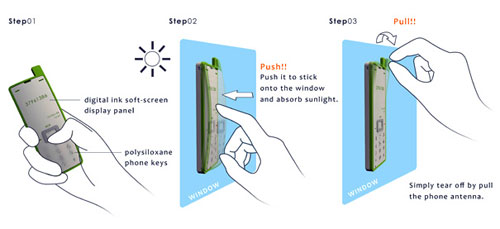
The Disposable Pre Paid Phone
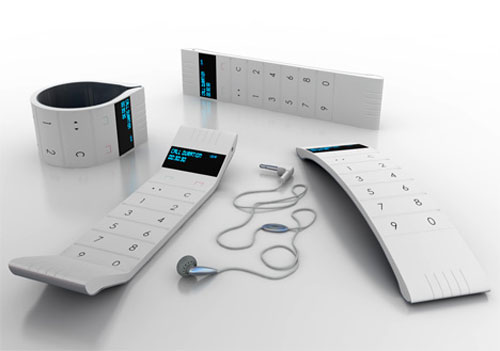
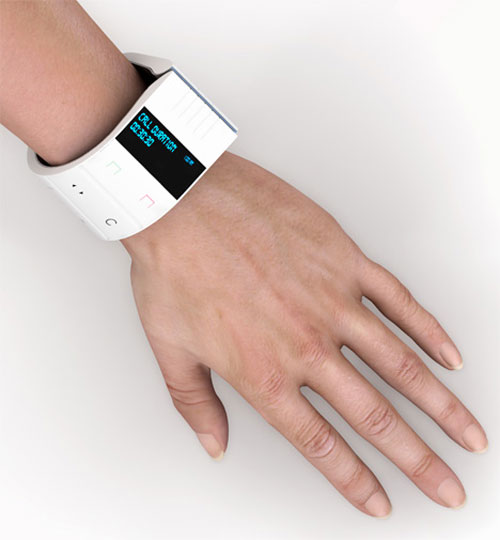
The Scroll
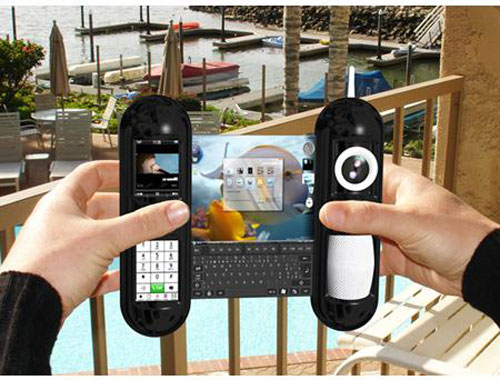
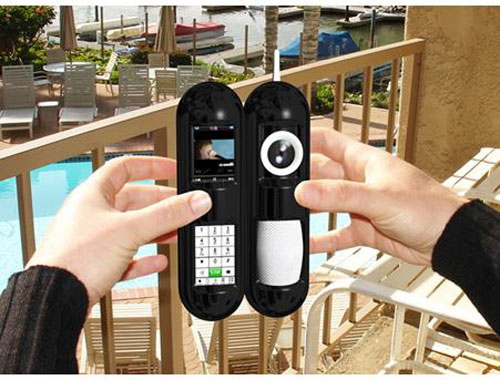
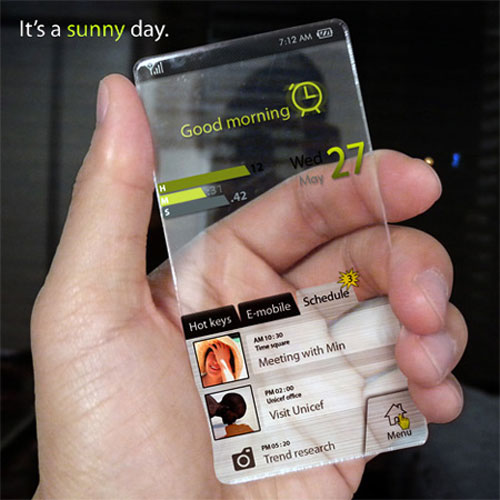
Window Phone
FAQ On Cell Phone Concept Examples
What are some futuristic cell phone concept examples?
Samsung has been working on foldable phones like the Galaxy Z Fold, integrating AR features and 5G technology. Apple is rumored to be exploring holographic displays and biometric security features.
Google Pixel experiments with VR-ready phones that bring the user experience (UX) design to a new level.
How do foldable screens work in cell phone prototypes?
Foldable screens use advanced OLED technology that allows the display to bend without breaking. This flexibility is achieved through materials that can endure multiple folds while maintaining high-quality resolution.
Samsung and Huawei are leading the way in foldable phone technology, providing more screen space without increasing device size.
What role does augmented reality play in future phone designs?
Augmented Reality (AR) merges the digital and physical worlds via the phone’s camera and display. Future smartphone innovations will likely include AR-enabled smartphones for gaming, shopping, and learning.
Apple‘s ARKit and Google Pixel‘s ARCore are already setting standards for AR integration in mobile device prototypes.
Are there any smartphones that use holographic technology?
While full holographic displays are still in development, concepts are emerging. Red Hydrogen One attempted a holographic display, but it’s Apple and Google Pixel that are investing heavily in this area.
These conceptual mobile phones aim to project interactive 3D images that don’t require glasses.
How will 5G connectivity change mobile designs?
5G technology promises faster data transfer, lower latency, and the ability to connect more devices simultaneously.
This leads to innovations in cell phone prototypes, enabling seamless IoT integration, enhanced camera technology, and improved user interface design. Huawei and Samsung are already pioneering 5G-enabled phones.
What are the latest advancements in battery technology for smartphones?
Increased battery life and faster charging are at the forefront. Companies like Xiaomi and OnePlus are developing battery technology with larger capacities and ultra-rapid charging.
Advanced cell phone designs focus on batteries that can sustain heavy usage of AR, VR, and 5G without compromising on performance.
How does artificial intelligence enhance cell phone usability?
Artificial intelligence (AI) powers many features, including voice assistants like Google Assistant and Siri, advanced camera enhancements, and personalized user experiences.
By integrating AI, next-gen smartphones can predict user behavior, optimize battery usage, and enhance mobile app development.
What are some innovative user interface designs in mobile technology?
User Interface (UI) design has seen innovations like gesture control, adaptive themes, and edge-to-edge screens.
Motorola and Google Pixel are experimenting with intuitive interfaces that respond to touch and voice, improving the user experience (UX) design by making it more seamless and interactive.
How are future cell phones addressing security concerns?
Biometric security features like facial recognition and fingerprint sensors are becoming standard in advanced mobile technology.
Future handset concepts focus on multi-layered security using AI and biometric data to protect user information. Apple and OnePlus are leaders in integrating advanced security features.
What are some examples of mobile innovations integrating wearable technology?
Wearable technology integration allows cell phones to sync with devices like smartwatches and fitness trackers.
Samsung and Apple are at the forefront, enabling seamless connectivity between your phone and wearables for tracking health, receiving notifications, and controlling smart home devices. This integration enhances the overall user experience (UX).
Conclusion
Diving into cell phone concept examples, it’s evident that the future of mobile technology is incredibly exciting. From foldable screens by Samsung to potential holographic displays from Apple, the innovation is boundless. 5G technology paves the way for ultra-fast connectivity, while AR and AI redefine user interaction and app development. Google Pixel’s foray into VR-ready phones and wearable technology integration underscores the holistic evolution of cellular technology.
As we’ve explored these advanced mobile designs, it’s clear these conceptual mobile phones aren’t just about flashy aesthetics; they’re revolutionizing how we live and communicate. The emphasis on user interface design and biometric security features ensures that usability meets security. Companies like Huawei and OnePlus push the envelope further, making these next-gen smartphones both aspirational and practical.
In sum, understanding these advanced cell phone designs gives us a glimpse into not just the future of mobile device prototypes but also the entire ecosystem of wireless communication. The journey has just begun, and the adventure ahead promises to be revolutionary.

Renowned for his expertise in logo design and visual branding, Bogdan has developed a multitude of logos for various clients.
His skills extend to creating posters, vector illustrations, business cards, and brochures. Additionally, Bogdan's UI kits were featured on marketplaces like Visual Hierarchy and UI8.
He also wrote in the past years on sites like Design Your Way, WebDesignerDepot, WPDean, Designmodo, Speckyboy, Slider Revolution, and more.
- The Framer Logo History, Colors, Font, And Meaning - 14 October 2026
- 9 Best Motion Graphics Companies for Startups - 14 October 2026
- Best Visual Regression Testing Tools for Web and App Design in 2026 - 13 October 2026

Bogdan Sandu is a seasoned designer who has been designing websites since 2008. Renowned for his expertise in logo design and visual branding, Bogdan has developed a multitude of logos for various clients. His skills extend to creating posters, vector illustrations, business cards, and brochures. Additionally, Bogdan's UI kits were featured on marketplaces like Visual Hierarchy and UI8. He also wrote in the past years on sites like Design Your Way, WebDesignerDepot, WPDean, Designmodo, Speckyboy, Slider Revolution, and more.
You Might Also Like